

What happens when AI moves beyond helping marketers create content and begins making decisions on their behalf?
Recorded at Forge 2026 in Las Vegas, I speak with Astha Malik, Chief Business Officer at Braze, about how AI is changing customer engagement and what marketers should retain control over as more operational work is handed to software.
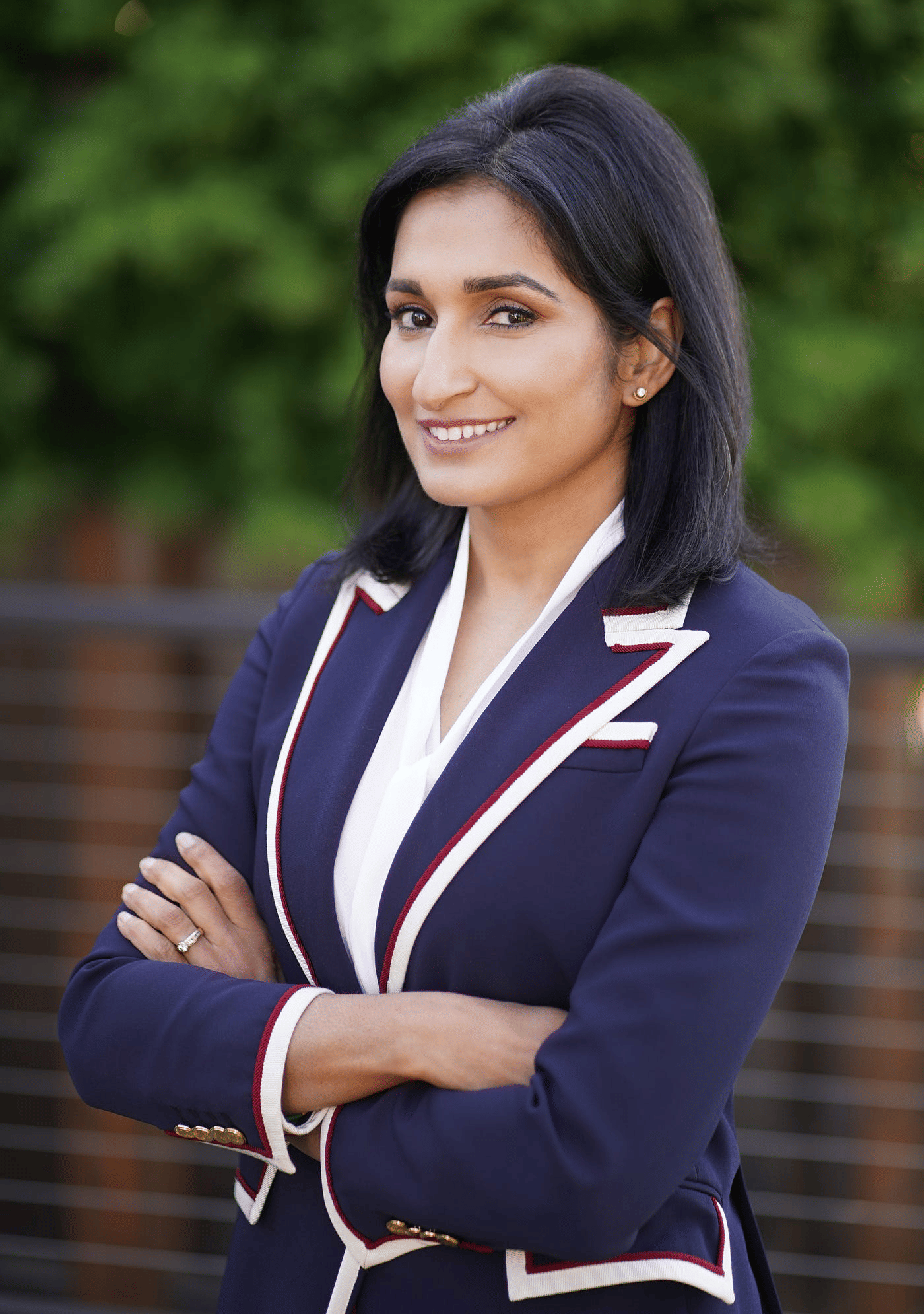
Astha explains why the long-standing promise of genuine one-to-one personalization has been so difficult to deliver and why she believes AI can finally help brands move beyond broad segments toward individual decisioning. We discuss Decisioning Studio Go, where AI can optimize content, timing, and frequency for different customers, while marketers continue to define the objectives and brand boundaries within which the system operates.
But greater automation creates new questions. If AI can generate more campaigns and messages, does marketing simply become noisier? Astha talks openly about the danger of "AI slop" and why using the same models and tools can make brands increasingly forgettable.
We also discuss Agentic Standards and the idea of AI checking the work of other AI systems before campaigns reach customers. Astha argues that organizations need controls around agents in much the same way they already have quality processes around human teams.
Our conversation also moves beyond marketing into the changing enterprise software interface. Operator Connect allows Braze capabilities to be accessed through environments such as ChatGPT, Claude, and Microsoft Copilot, raising questions about whether employees will increasingly interact with business systems through AI assistants rather than traditional applications.
Finally, we examine how organizations can prove AI is creating measurable value, why some businesses remain trapped in experimentation, and Astha's advice for leaders overwhelmed by the pace of change.
Her recommendation is simple: start experimenting rather than waiting for certainty.
As AI takes on more decision-making and execution, which parts of marketing should remain firmly in human hands? Listen to the conversation and share your thoughts.
Useful Links
Learn more about the Forge 26 Event

[00:00:04] - [Speaker 0]
We hear plenty about how AI is helping marketers create content faster, automate campaigns, and analyze more data. But what happens when AIA starts making decisions on behalf of marketers? Well, I'm recording this episode at Forge twenty six here in Las Vegas with Asta Malik, chief business officer at Braze. And she also leads marketing at the company, giving her an interesting perspective on both building AI technology and using it inside her own team. And our conversation today will look at why genuine one to one personalization has remained difficult, and also where human judgment belongs as software makes millions of individual decisions, and understand why producing more content could actually make brands easier to ignore.
[00:01:01] - [Speaker 0]
And we will also discuss AI, checking the work of other AI systems, what happens to traditional software interfaces, especially as people work increasingly through assistance such as ChatGPT and Claude? And why experimentation could be the only practical response to this extraordinary pace of technological change that we're all seeing. But enough scene saint for me. I invite you to come and join us today at the Fontainebleau in Las Vegas, where you can join us in a conversation here at Forge twenty six. So we're recording here live at the Fontainebleau in Las Vegas for Forge twenty six with Braze.
[00:01:42] - [Speaker 0]
So thank you for joining me today.
[00:01:44] - [Speaker 1]
Well, thank you for having me, and thank you for joining us at Forge. Super excited to have you in the midst of, like, all the excitement with our community here. My name is Astha Malik, and I'm the chief business officer at Braze. And I do wear a lot of hats. I do run marketing here.
[00:02:01] - [Speaker 1]
I also run our strategy, m and a, some parts of operations. So you'll see my team sort of, like, floating around in a variety of different roles at the event today.
[00:02:10] - [Speaker 0]
Awesome. And you were on stage, of course. Did you enjoy that? A lot of people there, but were you nervous at all? Certainly didn't seem that way.
[00:02:16] - [Speaker 0]
I was like, just
[00:02:17] - [Speaker 1]
I wasn't nervous. I have to be honest. I think once you prepare, you're not nervous. And the other thing is that I'm a part of a community where, you know, I I feel that there's just so much commonality. Like, you know, I I am also the CMO of the company.
[00:02:31] - [Speaker 1]
Mhmm. And this is our community of, like, marketers. So to me, it feels more like a conversation on stage rather than presenting to them. So it comes naturally.
[00:02:40] - [Speaker 0]
Love it. Forge is built around this idea that marketers are made for this. I've even got a badge saying just that, but with AI changing so much about how marketing gets done, what makes you confident that marketers are prepared for this this moment right now that we're we're seeing?
[00:02:56] - [Speaker 1]
I think marketing as a profession and overall industry has gone through so many changes. Just even, like, you know, you go back from the advertising madman days to where sort of like, you know, we are today, you'll see the shifts that have happened, whether they were, like, Internet, mobile, and now, of course, AI. I feel this, you know, this group of people has been sort of, like, in a very resilient
[00:03:19] - [Speaker 0]
Yeah.
[00:03:20] - [Speaker 1]
And made most of the moments. Right? So, you know, when an opportunity presented themselves the when an opportunity presented it to the marketers, they sort of, like, you know, made the most of it. So I feel, you know, it's a very similar moment. Of course, the pace is very different, and the magnitude of change feels very, very different.
[00:03:38] - [Speaker 1]
So I'm not gonna underestimate that or sort of, like, you know, deny the impact on the teams. But when two years ago, you know, when we came out with our new brand guidelines and, like, you know, new brand refresh, we came up with a new tagline that said, you know, there's never been a better time to be a better marketer.
[00:03:56] - [Speaker 0]
Yeah.
[00:03:56] - [Speaker 1]
And, you know, this was before, like, the Gen AI sort of, like, you know, hype took off. And I just feel, you know, we were a little ahead of the time sort of instilling that conviction and confidence within our community. This basically reinforcing what we already know, that they were made for this. So it's all coming together at Forge this year, and really excited to see how our product road map, how the community is already building with Braze products is coming together, validating and proving exactly what the theme says.
[00:04:26] - [Speaker 0]
And we have spent a few years now talking about AI helping marketers work faster. But here at Forge, Braze seems to be moving towards AI actually making decisions on behalf of marketers. So how significant is a change like that?
[00:04:40] - [Speaker 1]
Yeah. I think we are actually letting the marketers decide what kind of changes they wanna control and what they wanna hand it off to AI. Right? The idea is not for AI to literally take over all aspects of marketing, not at all. In fact, the one thing that I feel that we do very uniquely and very different from, you know, the other folks in the market as well is that we celebrate the marketer.
[00:05:02] - [Speaker 1]
We champion the experience maker, and we really do put a lot of emphasis on human judgment and creativity first before technology. I think technology just amplifies all of that, and it gives you a lot more time to think. I mean, think about, like, you know, a regular like, in a marketing team, and I manage a marketing team. They're not really spending a lot of time every day thinking, being creative, and pursuing things that they might be most passionate about. They're doing a lot of work that AI can do for them.
[00:05:31] - [Speaker 1]
Right? So automating things where, you know, it's taking a lot of, like, the time that is being put into scaling systems, processes, campaigns, etcetera. So let AI do that work and do what humans are best at doing, which is sort of like, you know, just unleashing their creative brilliance.
[00:05:47] - [Speaker 0]
100% with you. And personalization has been promised for years. We see it in everything that now from Spotify to Netflix and Amazon, etcetera, but many consumers probably argue that most personalisation still feels fairly basic. So why is real true one to one engagement, why has that been so difficult to achieve until now?
[00:06:06] - [Speaker 1]
Yeah. I think, you know, that is a promise that hasn't been kept despite the best intentions. Yeah. And I truly believe it's not a promise that, you know, marketers or sort of like, you know, the brand teams have made with an intent of not keeping it. It's just that, you know, they had every bit of an intention.
[00:06:26] - [Speaker 1]
They put in all the work to do it, but technology just couldn't keep up. Right? I mean, we're talking about personalization at scale. That means if you look at a marketer in, say, any b to c company, they have hundreds and thousands of customers at times. How is it possible for me to know, you know, all aspects of, like, you know, your life that are Yeah.
[00:06:44] - [Speaker 1]
Relevant to the brand and, like, you know, how they should be serving you better? It's really humanly impossible. And this is again where I think, you know, AI can really help and, you know, step in. This is definitely one of the areas that we have invested in a lot, whether that's from a reinforcement learning perspective, which we acquired a company last year called OfferFit, we turned that into Decisioning Studio, our product, or sort of like, you know, just making sure that you have, like, you know, your own ability to launch agents, build agents along the customer journey, learn more about the people that you're serving, and then optimize sort of like, you know, how you're reaching out to them, how you're engaging them in real time. Because it's really impossible for me or any other human to really know everything about you.
[00:07:28] - [Speaker 1]
We have brands that are looking at like a 160 plus attributes per user through AI. Again, not humanly possible. So to me, it's, you know, the perfect time to keep that promise and, you know, make good on that promise.
[00:07:42] - [Speaker 0]
And decisioning Studio Go allows AI agents to experiment across content, timing, and frequency for individual customers. So when software starts making millions or potentially billions of decisions, where should human judgment remain in the process? We hear a lot around keeping the human in the loop, but where should that be?
[00:08:02] - [Speaker 1]
Yeah. It goes back to sort of like, you know, what are the objectives? What are you really trying to accomplish? What is your brand promise to your customers? Those are things that I think, you know, still the marketing and the brand team should absolutely control.
[00:08:14] - [Speaker 1]
That's the creativity you wanna put into, like, how do you wanna best engage your customers? And then tell AI and, like, you know, again, reinforcement learning is a great example there. It's like, how do I now optimize that? How do I make that same sort of, like, strategy relevant to all these humans who are very different people Yeah. And, you know, have very different asks and needs of the same brand?
[00:08:35] - [Speaker 1]
So that's the beauty of AI and, like, you know, the human power put together.
[00:08:39] - [Speaker 0]
And, of course, when we talk about concerns, one particular concern is faster content creation could result in customers receiving just more messages and more noise. How do brands use these capabilities to improve relevance rather than increase volume?
[00:08:53] - [Speaker 1]
Yeah. Actually, we are very deliberate about sort of, like, calling out AI slop.
[00:08:58] - [Speaker 0]
Yeah.
[00:08:59] - [Speaker 1]
You don't want to sort of, like, you know, bombard your customers and, you know, your users with more messages simply because you now have a tool that can create unlimited options for you. If you go back and, like, you know, again, think through some of the capabilities that we've launched today as well, whether that's Decisions Studio Go or, like, you know, the work that we're doing with our operator, Braze AI operator as well. We're being very thoughtful, and it's not about the number of times
[00:09:25] - [Speaker 0]
Yeah.
[00:09:25] - [Speaker 1]
But it's literally the relevance of the content that you're actually sending to your customers. So we are being very thoughtful. That's how we are sort of, like, you know, enabling our communities to think, and that's how the marketers are gonna, like, you know, reach out to their brands and hopefully not create the slot that we're warning everyone against.
[00:09:43] - [Speaker 0]
Yeah. And kudos to your CEO as well in the welcoming keynote last night, and he was talking about if everyone's using the same models and regurgitating the same thing, it's standing out from the crowd that's more most important now, isn't it?
[00:09:56] - [Speaker 1]
Yeah. Absolutely. I think, you know, that has been definitely a premise in terms of, like, how we positioned our products, how we built our products. And that's the reason why, like, you know, I think that pairing of the human creativity and judgment that we talked about along with the technology is so important. Because if you're completely relying on technology and you're letting it do, you know, whatever you're asking it to do, sure, that's one way to do it.
[00:10:17] - [Speaker 1]
But then you will lose sort of the uniqueness about your brand, and you can become very forgettable. And that's not the objective of marketing, is it?
[00:10:24] - [Speaker 0]
Yeah. 100%. That uniqueness of the brand is so important. And Braze is also introducing agentic standards to automate campaign quality insurance. Massive topic and something that doesn't get enough attention.
[00:10:35] - [Speaker 0]
So do you think we're reaching a point where organisations will need AI checking the work of other AI systems before anything even reaches their customer?
[00:10:44] - [Speaker 1]
Yeah. I think I think about it in a way where, you know, AI just expanded your team's bandwidth. Right? You have humans on the team, and now you have AI that sits next to these humans. Just like we have quality measures for like in our own processes with humans on the team or people on the team, you know, a campaign doesn't get launched because somebody had an idea and they decided to build something and they're sending out the campaign and they press the push button and boom, it's out to kinda like, you know, the universe of, like, hundreds and thousands of your customers.
[00:11:15] - [Speaker 1]
That's not how things are done. Yeah. There are measures. There is quality control along the way. And we're thinking about it in a very similar way when it comes to agents as well.
[00:11:23] - [Speaker 1]
And that's why agentic standards is so important. And that also gives your teams the confidence to use AI because, you know, there's a lot of concern for all the right reasons that, you know, it can sort of go rogue or, like, you know, if I ask it to sort of, like, launch things for me and, like, what does it actually look like? Am I ultimately accountable or responsible? Responsible? Yes.
[00:11:42] - [Speaker 1]
You are, and that's the reason why you need agentic standards to make sure that you have, you know, very tight controls, and how much flexibility, how much authority do you wanna give to these agents running on your behalf.
[00:11:55] - [Speaker 0]
And I would say this is a lot of what we're talking about has only been announced this week, but I'm curious. What kind of feedback have you had both from the community here and also the b the beta users as well? What what have people been saying about some of the things when they're getting hands on with this, especially things like AgenTik standards, etcetera?
[00:12:10] - [Speaker 1]
I I think the biggest reaction we've gotten about all the products, whether that's beta launches or general availability that's coming up in October, it's almost a surprise in a good way because these are real products. There's a lot of and I say this a lot of time, but there's a lot of AI theater out there. Yeah. A lot of companies are talking about a lot of things their, you know, products can do and how they're launching AI and building AI into sort of, like, you know, their existing products or launching new ones. But this is all real.
[00:12:43] - [Speaker 1]
We're actually running workshops here where, you know, not only sort of launching betas and saying, alright. You can go and experiment with it. Sure. You can. But we're also fostering this community of builders by giving them the tools, by giving them the training, by giving them the opportunity to work with their community, learn from each other, and, of course, to brace experts and build things, you know, on their own.
[00:13:04] - [Speaker 1]
And I think, you know, the surprise and the awe that comes with like, well, one, this is real, and two, the outcomes they're able to sort of generate after they've been to some of these workshops and then launching those things in real time, you know, within their own environments, I think that's very fulfilling, and we're very happy with that.
[00:13:20] - [Speaker 0]
Awesome. And I think we all use different AI tools depending on what tasks we might have, and Operator Connect brings Braze into environments such as ChatGPT, Claude, Microsoft Copilot, all these different areas that we all use pretending on the task there. But what happens to the traditional enterprise software interface if employees increasingly interact with their business systems through AI assistance rather than that user interface. Do you see any changes here as that evolves?
[00:13:49] - [Speaker 1]
Yeah. I think, look, the way that we're working is changing. Yeah. There is no denying it and, you know, no point pushing back on that. Braze has always operated from the perspective of, like, you know, we're not building a walled garden here.
[00:14:02] - [Speaker 1]
Yeah. Whether that's the ecosystem play, whether that's sort of, like, in our headless and composable infrastructure, and, you know, just the way that we have operated with the ecosystem that we play with. I just think, like, you know, that's the ethos and that's the fundamental belief on how we have created our products. So to us, you know, this is a great opportunity for people to use Braze even if that's within another interface. At the end of the day, it's about creating value Yeah.
[00:14:30] - [Speaker 1]
For the users, and that's what we are focused on. It's about making sure that, you know, we are definitely helping people sort of rely on the system that they trust like Braze, but they're able to use it in the way that best suits them as a part of their other workflows and how they engage maybe with other parts of the organization. So to me, you know, just making it easy, removing that friction is all part of, like, you know, creating that user delight and value that, you know, we're definitely focused on.
[00:14:58] - [Speaker 0]
And you mentioned the word value there. And I think since that MIT study a few years ago, getting return on investment on those AI projects is top of mind for business leaders now who are forced to show measurable returns there. So when you talk to customers today, which outcomes actually convince the board that AI powered customer engagement is really delivering value? What kind of measurements, what kind of metrics are we talking here? What do you see?
[00:15:22] - [Speaker 1]
Yeah. I think it really depends on, you know, the objectives the customers are setting with the products that they were using with us. I do not want to sort of underestimate the value of, like, even efficiency. Of course, it's very hard to measure in terms of, like, okay. Well, you know, I was able to do more work.
[00:15:38] - [Speaker 1]
I was able to become more efficient. Those things are really still important. But we started sort of like, you know, focusing on the outcomes that are measurable
[00:15:46] - [Speaker 0]
Yeah.
[00:15:47] - [Speaker 1]
In terms of like, you know, our own AI product. So you'll see our customers sort of, like, you know, the wide ranging, you know, objectives and outcomes that they're delivering, whether that's a direct result in, like, you know, their growth in revenue, whether that's, you know, better sort of, like, you know, improved churn rates because they did a fantastic campaign using, like, you know, decisioning studio go that was able to, again, customize and, you know, make all the messages very relevant or send the right kind of offers to people to retain them and drive that stickiness and loyalty. So we have, like, a lot of different measures, and it all depends on what the customer is trying to achieve. So, you know, it's really up to the customer. You define what the goal and the parameters are, and then Braze delivers.
[00:16:28] - [Speaker 0]
Lovely. And there've been many customer stories here at Forge that contain substantial results, some big figures and stats there. Compare the market, for example, reporting higher conversion while sending fewer messages, creating less noise. What is it that separating organizations that are generating these real measurable results from those still experimenting, still caught in pilot phase, and not really seeing any commercial impact? What what separates those those different Yeah.
[00:16:55] - [Speaker 1]
I think it it really does come back to what I said before about making sure that even as marketing leaders, you know, you're giving your teams the space to think Yeah. To learn and experiment. Right? Because there is, of course, you know, anxiety or there is some fear around using new tools, and AI is no different. In fact, if anything, like, you know, you feel like it could go out of control if you don't manage it well, and that's the reason we have it.
[00:17:19] - [Speaker 1]
We have agentic standards and a lot of, like, you know, controls in place. But the value is also exponential, right, if you use it right. So Compare the Market is a great example. I think they did a fantastic job of not only sort of saying, alright. You know, we're gonna bring in Braze, and these are the goals, and these are the sort of objectives that we are trying to accomplish.
[00:17:38] - [Speaker 1]
And let's sort of, like, you know, just hand it over to a couple of people and they'll run everything. They made sure the team understood what those objectives were, how the, you know, platform can really help drive meaningful outcomes for everybody, including their customers. And they put in a lot of investment in training those teams, and that's exactly what we are doing with some of the programs that we run as a part of, like, onboarding our customers. We also run AI academies to really educate our customers about, like, you know, the the potential benefits and the value AI can create across, you know, the spectrum of different products that we offer. And then, of course, like, you know, we have trainings and certifications happening here.
[00:18:15] - [Speaker 1]
We have workshops. So it's really about, like, you know, just taking the leap, encouraging your teams, and then finding, like, you know, just vendors and companies that are not only just creating products, but also putting in the effort to make sure that, you know, your users and your customers are able to use those products to the fullest.
[00:18:37] - [Speaker 0]
And if we have anyone listening, watching, or indeed attending the conference this week, and they're feeling overwhelmed with the pace of technological change and the amount of announcements trying to keep up. What what is the one practical change that you would encourage them to make when when they return to the to the office? Any advice there?
[00:18:55] - [Speaker 1]
Yeah. I think the practical thing that I'd ask them to do is, you know, of course, you can still get overwhelmed with a lot of noise, a lot of sort of, like, you know, just news around you all the time from so many different vendors. It's hard to separate, you know, reality from, like, you know, what might be vaporware. Yeah. So my recommendation, and this is why we're running, you know, again, all the workshops, etcetera, get your hands dirty.
[00:19:20] - [Speaker 1]
Like, you have to get your teams sort of, like, you know, using these tools, and you can do that. You don't have to do in production mode. You can do that sort of in safe environments if you just wanna start with it and then sort of move into production mode, get your hands on the beta. We have multiple betas running right now and experiment. I think the only way to drive certainty is through experimentation.
[00:19:40] - [Speaker 1]
If you're waiting for certainty to happen on its own, it's not gonna work that way. So I encourage, go experiment and get your hands dirty.
[00:19:49] - [Speaker 0]
And you you must have an incredibly busy few months putting all of this together, all the announcements, getting the conference ready. What excites you about seeing all this come to life? And particularly in October, when it's released into the wild and businesses get their hands on it, what is it that excites you about that?
[00:20:05] - [Speaker 1]
Yeah. I think two things excite me the most. The first is the team that put in all this work. You know, whether that's just from the event perspective, our product team, it takes a village. And, like, you know, we have a very strong culture of collaboration.
[00:20:18] - [Speaker 1]
Yeah. We work across product, go to market, and, like, marketing, you know, very tightly. To see the hard work of that team pay off at this event is really exciting. And the second thing is just, again, what I said before, it's, you know, seeing that awe and that appreciation in the eyes of our community. And we have, like, you know, a very strong community of builders already, So the bar is really high.
[00:20:42] - [Speaker 1]
And to continue to deliver and meet that expectation and exceed that expectation and sort of like, you know, just building what they want, what they sort of like, you know, wanna put into good use for their own customers and drive meaningful value for the business as well, that's very fulfilling.
[00:20:59] - [Speaker 0]
And when you leave here and you soak up all the information, all the back to back meetings, all those conversations with customers and clients, if you were to throw all of that into an LLM, what are you gonna be reflecting about on the way home when you just sat exhausted? When you when you think about everything that you've experienced this week, what are you gonna be taking away?
[00:21:18] - [Speaker 1]
I think there's gonna be a lot of good takeaways, and we have a full process for it. But in a nutshell, I would just take away all this excitement, feeling good about sort of, like, you know, setting the bar high for ourselves as a team and delivering on the promise that we have made to our customers. That's what I'm gonna be taking away, and we'll figure out the rest after.
[00:21:38] - [Speaker 0]
Awesome. Well, I think that's a powerful moment to end on. I'll include links to everything, all the big announcements this week, all the videos, the PowerPoint, etcetera. I encourage people to check that out, but more than anything, just thank you for joining me. Really appreciate your time.
[00:21:51] - [Speaker 1]
So much. Was It was lovely talking to you.
[00:21:54] - [Speaker 0]
I think one of the many points that stayed with me after this conversation today is the question for businesses is no longer simply whether they should use AI. It's now about deciding which decisions should be handed over and which ones still require human judgment. And Braze is clearly betting heavily on AI decisioning agents, automated quality controls, and software that can operate through AI tools that people already use. And my guests repeatedly returned to creativity, brand identity, accountability, and giving marketers more time to think. And when we're looking at risks, possibly the biggest risk is not AI replacing marketing teams.
[00:22:39] - [Speaker 0]
I really think it is companies using increasingly capable technology to create more messages, more campaigns, and more noise without becoming more relevant to their customers. Just because AI will allow you to 100x your output doesn't mean anything if you're not actually speaking directly to your customers in a language that they understand. So I think my guest's advice for anyone overwhelmed by the announcements was also refreshingly practical today. Experiment. Use the tools, test them safely, and learn what they actually do rather than just waiting for certainty.
[00:23:21] - [Speaker 0]
Because let's be honest, the only thing that is certain is certainty isn't coming anytime soon. So many big takeaways. Thoroughly enjoyed my conversation today with my guest and over to you. Whether you are attending the event, following it online or have your own experiences and insights you would like to share, simply pop over to techtalksnetwork.com. I'll include links to everything that you need over there and maybe a few other little Easter eggs for you to find too.
[00:23:52] - [Speaker 0]
But that's it now. Time for me to hit the show floor again, and I'll be back again tomorrow. Bye for now.