
What happens when a warehouse management system believes stock is present, but nobody can find it on the warehouse floor?
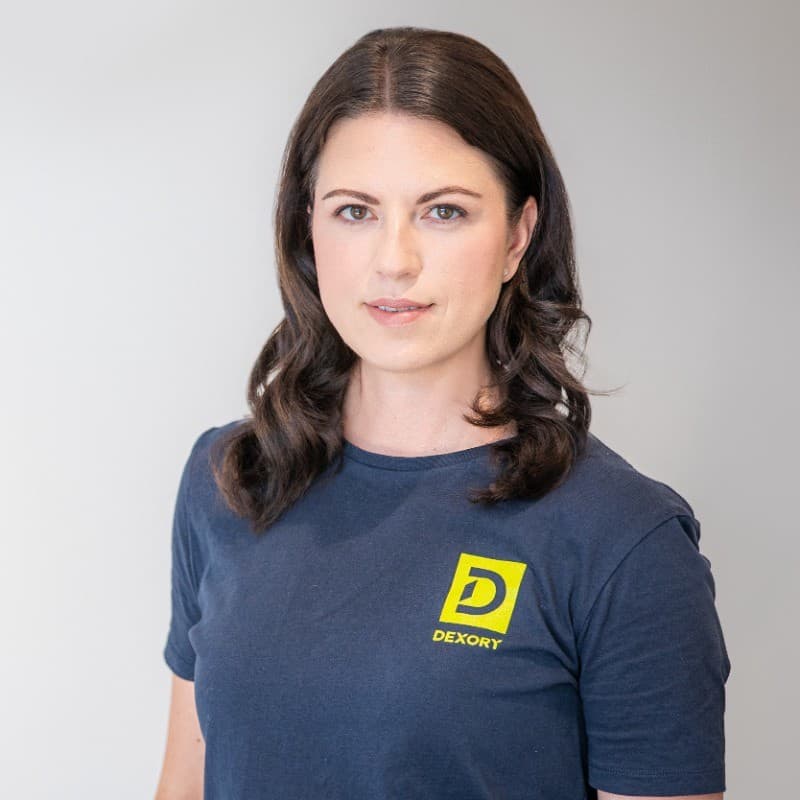
In this episode of Tech Talks Daily, I speak with Oana Jinga, co-founder of Dexory, who oversees the company's commercial strategy and product roadmap. Dexory has developed autonomous mobile robots capable of scanning inventory at heights of up to 18 meters while creating a continuously updated digital view of warehouse operations.
The company says its robots have scanned one billion locations across 12 countries. Its customers include Maersk, DHL, Samsung, GE Appliances, Stellantis, GXO Logistics, and C.H. Robinson. However, the real story goes beyond the size of the robot or the number of locations scanned. It concerns what businesses can do once they have accurate information about their physical operations.
Oana explains why warehouses often become data blind spots. Businesses usually know what entered the facility and what eventually left, but stock movements, damaged items, misplaced pallets, and inefficient use of space can remain difficult to track between those events.
Dexory's robots scan approximately 10,000 to 12,000 pallet locations per hour. Oana recalls one customer discovering around £1.5 million in stock it had considered lost or written off. Other scans have revealed repeated pallet movements and potential opportunities to recover around 10% of warehouse capacity through better organization.
We also discuss why visibility alone does not create business value. Dexory initially gave users large volumes of information, only to discover that extensive lists of problems could overwhelm warehouse teams. Its platform now prioritizes the actions requiring attention, helping users concentrate on a manageable number of issues each day.
Oana explains why physical AI faces different challenges from software operating entirely within digital systems. Warehouses change constantly as people, vehicles, stock, temporary obstacles, damaged areas, and local working practices alter the environment. Robots and AI systems therefore require current physical data rather than relying on an old floor plan or assumptions recorded in another system.
For companies considering warehouse robotics, Oana recommends starting with the operational problem. Leaders should observe how work happens, speak with employees about bottlenecks, define the result they want, and appoint an internal owner responsible for adoption. A robot sent to collect stock from an empty or incorrect location cannot complete its task, regardless of how capable its software may be.
We also consider the future of warehouse work. Oana argues that robots can remove repetitive inventory walks and manual counting, allowing employees to interpret data, investigate problems, and improve operations. She also shares her experience as one of the few women in robotics a decade ago and explains why visible female role models can make the sector feel accessible to a wider group of people.
Could physical AI help your warehouse teams make better decisions, or would inaccurate data and unclear ownership prevent the technology from delivering value? Listen to the episode and share your thoughts with me.
Useful Links
[00:00:00] Your agentic AI might not be secure even with real-time data and proper guardrails. But Denodo makes sure your business has every avenue covered. By placing all your data platforms under one AI data layer, your business can reach semantic consistency safely and securely. So get your agents on the same page by visiting denodo.com and you can learn more about how to
[00:00:29] start trusting your agents to make business decisions. What if your warehouse management system says a pallet is present, but the physical warehouse tells a completely different story? Well, a company called Dexory has built autonomous robots that are capable of scanning inventory
[00:00:52] at heights of up to 18 metres. And they're processing between 10,000 and 12,000 pallet locations every hour. I struggle to remember where I left my keys. So 1 billion scanned locations feels like something incredibly cool here. So today I'm joined by the co-founder of Dexory, who leads the company's commercial strategy and product roadmap too. And together we're going to discuss
[00:01:22] how physical AI is creating a continuously updated view of warehouse operations. And why collecting data without prioritising action can quickly overwhelm teams. But I want to explore the world of robotics, how they can reveal lost stock, wasted movement and unused capacity. So if your supply chain systems cannot see the physical reality, how reliable are the decisions
[00:01:51] built upon their data? This is just one of many questions we'll explore today. But enough from me. Let me introduce you to my guest right now. So thank you for joining me on the podcast today. Can you tell everyone listening a little about who you are and what you do? Sure thing. Thanks for having me, Neil C. Hughes. I'm one of the three co-founders at Dexory and I run everything that has to do with commercial and
[00:02:18] product roadmap and strategy for the company. I've been doing that for quite a few years now. And yeah, happy to tell you more about what Dexory is later on. Yeah, I'm looking forward to it as well, because one of the reasons I was excited to get you on the podcast is you set off my tech spidey sensors when I learned that Dexory has built an autonomous robot that can scan inventory at heights of up to 18 metres, which is incredibly cool. But
[00:02:44] before we even get into the tech side of things, what warehouse problem led you to that design and what can it detect that maybe conventional stock checks often miss now? Yeah, so I will take a step back into probably more than a decade now, because we've been working together as a founding team for over 10 years. Pretty much started with this idea of using autonomous robots to collect data from the physical world to kind of digitize the different physical
[00:03:12] spaces. And initially, we created something for the homes to kind of keep an eye on the house while you're away and like capturing what's what's happening in there. We then moved into retail stores, which is going really well looking at kind of taking people around to different product areas. But also as we were doing that keeping an eye on the shelves in the stores to make sure stock is there. I don't see if something kind of is low that it can be replenished so people can buy as like quickly as possible. And that was going quite well before the pandemic. But obviously 2020,
[00:03:42] came and it was a bit of a rocky kind of start to the year with all the lockdowns. And of course, our market disappearing overnight because all the stores closed. So no one else was kind of going to physically buy anything. So it was during the pandemic that we kind of first got a glimpse of there are similar problems as you have in a retail store, but inside warehouses, whereas like, people kind of know what comes in and what goes out of a warehouse. But what happens with the goods and
[00:04:10] the people and the machinery inside is a little bit of a black hole, like you don't have GPS trackers to understand where stock goes. There's obviously a lot of chaos, especially during the pandemic, because you could only get such a number of people in, you had to get a huge amount of orders out because everyone was ordering online. So it's a very, very kind of chaotic space that needed a lot of digitization. So we took a step back and thought like, okay, can we do what we've done before in the
[00:04:34] stores inside the warehouse? And that's kind of how we stumbled upon this whole kind of area of stock and visibility inside the warehouse. So coming back to, I mean, more recent days in 2023 is like when we launched the solution for warehousing and never looked back. But the actual kind of question you had is like, yeah, what's the problem? And the problem that we address is you kind of need eyes
[00:04:59] across everything inside the warehouse, because most of the decisions and most of kind of the systems record what they think should be there, where actually the reality on the floor is very, very different. So we kind of provide that visibility inside the site from top to bottom, hence the whole 18 meters point, because you do have goods that are sitting at 18, 20 meters up in the air, which with human eyes, you can't, of course, even see, you have to kind of go all the way up there or
[00:05:25] bring the goods down and have a look at them. But also, we are pretty much digitizing the spaces at an insane speed. So it's not just the fact that we capture information that humans can't, because of height or because, I mean, yeah, you can go and scan a barcode, but you don't, well, yet, you can't take a picture of it with your eyes. You don't understand volumes and shapes and sizes just like by blinking. So we capture a lot of data you can't normally do with people.
[00:05:50] But secondly, we do it at crazy speed. So that's what I'm saying. Like we do about 10 to 12,000 pilot locations an hour, which means like in a few hours, you kind of get a full view of exactly what you have there. We continuously kind of update that over and over as the day kind of goes. So yeah, the problem is the visibility that was lacking. And then once you have that visibility, yeah, we revolve so much because we can do so much with that data once you have it to start with.
[00:06:19] It's incredibly cool what you're doing here. And just to help listeners understand the scale of what we're talking about, your robots have already scanned over a billion warehouse locations. So I've got to ask, when you're scanning that volume of data, what has it taught you about the gap between what companies believe that is in their warehouse and what is actually inside there? I suspect you've got a few stories. Oh, loads of stories. I mean, from the very simple things that as we normally go in,
[00:06:48] it actually, it takes us up to like five to seven days to get everything up and running. So once we kind of get a customer on board, it's very, very quickly to actually start getting them data. And I have so many examples where it's like with those first scans and the first time to digitize the space, we just find so much stock that they thought that they had lost or that they written off and they had to pay for. Yeah, that's kind of the most basic thing. Of course, you're going to find things that you didn't even know existed. And I think the biggest number of
[00:07:15] items we found is probably somewhere around like 1.5 million pounds of stock, which obviously is quite a big amount, depending on the site. So that's kind of like, yeah, number one. But number two is like, as you continuously get updates on this stock, like I said, it takes us a few hours to do it. And then the robot charges a bit, goes out again, captures the data again. It's more like the trends of what happens in between the scans as well, which I think is always very interesting.
[00:07:42] So you can kind of see how many times like something has been touched or moved around. And then our users are like, wait a second, why do we keep moving pallets around for nothing? Like you should only touch something once as it comes into the warehouse. And secondly, as you kind of get it out of the warehouse. But there's a lot of kind of random movements that are happening inside, because they're maybe not respecting the, I don't know, basic compliance rules, like the weights on the racking or something like that. So then they have to kind of correct it. So there's a lot of kind of wasted resources to do things that don't necessarily have an immediate business impact.
[00:08:11] And that's something you can track once you have that data continuously. But there's also elements around how you utilize space. Like we have a lot of customers that are saying, well, our site, our warehouses are telling us they're like full capacity. And then when you actually kind of start scanning, it's like, well, they're not really at full capacity. And actually, if you shuffle these things around, you kind of create another 10% of capacity. So there's a lot of elements on the data that kind of, again, you kind of have to have that ground truth. And then depending on the sector and
[00:08:39] the customer, there's so much you uncover by crunching it in different ways and comparing it with different systems. And real-time visibility will sound incredibly attractive and for all the right reasons. But if one thing we know about data in any industry, and that is collecting data only can create value when somebody goes out there and acts on that data. So how are you seeing warehouse teams using that intelligence during an ordinary working day to maybe reduce errors, delays, or
[00:09:07] wasted capacity and get that return on investment? What are you seeing here? Yeah. So when we started three years ago, I think the number one thing we're trying to do is like, just get the data to the people. And then what we realized quite quickly is like, well, you're inundating them with just a lot of information. And to your point, it's not just that you have to kind of find time to look at the information. But if that's overwhelming, because you're seeing, I don't know, like 50 things on red, there's like an immediate reaction. So I'm just
[00:09:35] going to close my laptop and go awake, but don't want to deal with this, right? There's too many problems to deal with. And I kid you not, like the number of sites that we went live with and the first kind of scans highlighted so many problems that they're like panicked. I was like, oh, we don't have time to deal with all these problems. Like, well, if you don't deal with the problems, they're only going to have a knock-on effect on everything else you're doing. So clearly you probably do want to address them. But what I'm trying to get at is like, we learn very quickly from our users that
[00:10:00] we have to help them sort and synthesize and also kind of like prioritize what they should be working on. So going back to the points, like it's not just that we're giving them the data, but we are turning that data into proper action so that we can then help them understand what they should be doing about it and how they should be utilizing it immediately. So within our Dex review platform, which is a digital twin, the number one thing that you land on is like today, these are like 10
[00:10:28] things that you should be addressing rather than here's a lot of information. And of course, physical AI combines machines operating in very real environments with software interpreting everything that they encounter. But what is it that makes a warehouse harder for AI to understand than maybe a controlled lab or a digital system or something in the corporate space? What kind of challenges are there?
[00:10:55] I think people forget that a warehouse is like a living, breathing environment. I would say there's just so much happening at different times. I mean, I think there's this perception that you can put something on a rack and that's it and no one kind of looks at it anymore. But that's obviously not the case. You have people that are coming in to pick orders that are moving things around that are cleaning. There's just so much happening every single hour that without kind of having that continuous
[00:11:22] visibility in it, you will start making some assumptions based on synthetic data or like trends that just actually don't translate into the real world. And there's also things like, I don't know, for instance, you kind of understand routes and ways of kind of say navigating a warehouse. You kind of have an initial CAD file of what that looks like when the racks are put together and the walls are built. But it's kind of surprising to see how many things change literally like on a daily basis,
[00:11:50] like something else gets put in an area or like an area gets like destroyed or flooded or like the environment itself changes so much continuously that, again, without having that ground truth, there's going to be a lot of failures when it comes to physical AI because you're just going to assume, yeah, I can kind of navigate through that area. But actually, the people on the ground kind of know that you can't, but there's no way to kind of get that out of their minds and into a digital system. So there's a lot of kind of rules on the ground that are like unspoken or
[00:12:17] written that you can only kind of capture by continuously kind of scanning these places. So I think that's kind of the number one failure that I see could come from the warehouse space is like people assume that they're very consistent, but actually the reality on the ground is very different. They're very, very dynamic. Businesses can obviously automate a poor process and produce mistakes so much faster. Even at machine speed. So for anyone listening, before they begin investing in robotics,
[00:12:45] what should a warehouse operator be examining across their workflows, their data quality layout and systems integration and workforce readiness? What do they need in place before they go on that journey with you? Yeah, I think it's a great question. And I would be honest to say, like, I don't think they have to wait and try and get everything right before they start because that then kind of takes them into another area, which is like a lot of wasted time just doing things the way they were done before
[00:13:14] and obviously still kind of like not getting to a level of efficiency. But I think that data accuracy point obviously is the first step. And it's a bit different if you're thinking about digital AI or physical AI. I just saw I'm saying because from a digital AI perspective, the data exists in many of these cases, like you kind of have some sort of a system or like an ERP or a transfer manager or something where kind of you have that data, but the physical data, which you can't really capture at
[00:13:41] the moment that you have to think, okay, how can I start capturing some of it? Whether it's by asking people to report on things or adding some cameras or having a solution like ours to even get them going. So I think it's, yeah, trying to understand like what data do I have and where and what kind of tools can rely on it already. But the other thing that I always tell people is it's not necessarily about readiness per se, but it's more like trying to understand what problem
[00:14:06] we're solving so that you don't just bring technology in for the tech sake, you bring it to solve a particular problem. So then if you start with a problem in mind, whatever tool you might bring to solve it can differ so much. So a simple example is like, okay, I want to increase how many orders I get out the door, like for that, okay, you can look at a variety of different solutions to help with the picking, like it's either autonomous trolleys or autonomous forklifts or little robots,
[00:14:33] obviously that kind of help you fulfill the order. So narrowing down that problem to, well, what exactly am I trying to achieve? It's like, I need to get small items packaged really quickly. They're all in this particular area of the, of the warehouse. And I still have humans that can work with the robots. That's like one solution that you're, you're looking at. If you're thinking about like, I want to just completely automate everything, that's a different type of solution. So I feel like narrowing down that problem to begin with is probably the most important thing they need to do. And then the rest is going to follow.
[00:15:05] And there'll always be nervousness when we talk about adding AI and robotics into an industry like this. So for any skeptics listening or people concerned about their job, et cetera, what happens to those traditional warehouse roles when robots take over the repetitive inventory scanning and what human capabilities become even more valuable and how should employees maybe be preparing existing workers for a new level of responsibilities?
[00:15:32] Yeah, I think that the number one point is in something that we're hearing across the board from all over the world. I should have said like, we, we have customers from like Australia and to the Middle East and to like Europe, the US, Canada, Mexico. So like pretty much kind of a global coverage at the moment. And everyone is telling us the same thing is like, well, there's not really a big risk here because we can't really find people that want to work in warehouses anymore. So I think the number one problem is like actually finding the, where the, the workforce to begin with, because
[00:16:02] I think, yeah, it's, it's not the most kind of glamorous environment. There's also a lot of competition for, for the workers. Um, and you have the likes of Amazon obviously kind of coming in and taking a lot of that workforce by just paying a little bit more. So there's a massive kind of competition for heads to begin with. Um, but I think for those that fear that that's the role will be automated, we have so many examples where that kind of whole team shifted in responsibility. So rather than having to do very basic, they call it walkabouts, the warehouse to try and kind of, um,
[00:16:29] capture what's wrong and just literally kind of would have handheld scanner or like pen and paper, just no things down, count boxes. Obviously that's a very kind of boring and tedious task. So once you're going to take the, the data away and you kind of provide them with insights and data, then that kind of changes them to be more like in a data analyst space and actually figure out, okay, what can we do about it? It's like, what decisions can we make? So we have loads of examples from sites where that's happened and the, uh, the teams on the ground have been so,
[00:16:56] so excited to just be able to forget kind of the, the, the worst parts of their job and actually, um, focus on the stuff that gets them excited, which is like, okay, how can we make things more efficient? Um, so I think, yeah, that, that mindset of like growth and, and trying to figure out, um, okay, once we have the automation in, um, what, how much time does that kind of, um, free up for me so that I can do something else, um, is, is something we're seeing across the board.
[00:17:24] And the tech industry famously has a diversity problem. There's been a, a lot of ground made, but there's still so much more that needs to be done there. And I think especially at a time where diversity of thought is so much more important now, especially in solving increasingly complex problems and the world of robotics, if we just take this area for a moment, it still struggles to attract enough women into the industry. So someone right in the heart of this space,
[00:17:49] have you ever encountered any barriers that have impacted you personally? And what do you think, or what practical changes do you think schools, employers, investors, and industry leaders right across that entire chain could actually make to, to help improve, widen participation? Yeah, I think it's, it's changed so much since I started like over 10 years ago, the first, the first things that I was doing in robotics. Um, and I, I remember kind of going to pitch
[00:18:18] competitions and everything else as we're starting the company and pretty much being the only woman in the room or maybe like one other, right. So, um, um, and also kind of being a little bit frowned upon by everyone else in there, but like, Oh, look at them. Right. So it's just like a bit of a different type of environment 10 years ago. Whereas now, if you look at it, there's just so many examples of like incredible women, obviously building some fantastic companies in the physical AI space. Um, so I think the number one thing that, I mean, everyone can do not just like in academia and so
[00:18:48] on is kind of keep bringing these examples front and center and talking about them because that then inspires kind of the new generation and helps them understand like, yeah, I can definitely do that. Like this just, it's not just a field that I wouldn't normally go into because I don't have like role models to, to understand that it's, it is a possibility. So the one thing I keep saying is like, as people give examples of success or like career path and everything else, it's kind of using, um, um, these role models that already exist. Um, so that you can kind of get
[00:19:17] people to understand like, there, there you go. Like that's a normal thing to do is kind of have a woman, uh, obviously like I didn't like leading a robotics company or building physical robots. Like it's, it's actually a space. And, and I think with, with AI, actually, I was, I was talking about this with somebody else last week, um, uh, in, in the context of like, what can you do with AI tools? And I think if anything, it's leveling up things so much because now with the accessibility of the
[00:19:43] tools, you can code from scratch and then kind of build things that before you kind of needed a four or five year computer science degree to do. Right. So it's, it's kind of helping to level up the game. Even if you did not study that beforehand, you can now kind of go into, into tech areas that, required a lot more effort before. So you kind of have to reinvest in the training and in yourself, whereas now you can kind of jump straight, straight into the building. So those people that have
[00:20:09] incredible ideas, regardless of gender or background, uh, can actually get into building them and bringing them to market much, much easier, which is obviously like we're seeing is, is leveling the field a lot for, for the different groups. Fantastic. Thank you. And I'd love to give people listening further valuable takeaways here. If we have a supply chain leader that's maybe assessing physical AI today, that's why they're listening to this episode with what operational problem do you think makes the strongest starting
[00:20:38] point, that low hanging fruit and what results should they measure? I mean, the old saying in IT is you can only improve what you measure. And also what warning signs would suggest a robotics project is unlikely to deliver. Well, any, any, uh, anything you can share here from your conversations you've been having? Yeah, there's a lot of different bits in your question there. So I think I'll try to kind of break it down a little bit. And, and, um, I think going back to
[00:21:03] the point earlier in the sense, like what should you be thinking about is going back to them, especially like in the warehouse itself, it's like actually going back into the warehouse and physically observing, like things are happening, um, around, right. Like spending a day to just kind of walk in the warehouse, seeing what the teams are doing, uh, and what opportunities there are to drive more efficiency. Um, uh, and secondly, we'll be like asking the teams themselves as well. Like, okay, what, where do we see that we have bottlenecks? Um, like how can we then
[00:21:32] actually kind of improve, improve some of those throughput or like whatever, um, um, kind of KPI they, they have. So it's, yeah, just going back to the drawing board and just observing will then highlight probably a few areas that, um, would benefit from any kind of tech, not just kind of automation. Um, and then once that's determined, going back to my point earlier, like really figuring out, okay, what is the actual problem that we're trying to solve to then determine what type of solution might be the best one. Uh, and thirdly, it's like we discussed this quite,
[00:21:59] quite a lot is like getting that ground truth and that data, uh, to be as accurate as possible, regardless of the project, it's going to make sure that that project that comes in will deliver the best outcome. So we talked a little bit about like picking robots. Um, if you send a picking robot to a location and there's no stock there, or the stock is not in the right quantity or it's damaged, that's going to be like a missed opportunity for that robot. So then it's going to have to go and wait for another task to be assigned, or it goes to what we call like the doctor going to have to wait for human to look at that, um, uh, order in itself.
[00:22:30] So the automation is not as efficient as you thought it would be, but not because of the automation's fault is because of like, yeah, some of the ground truth kind of being wrong and you're asking it to do something impossible. Right. So again, this is why like, it's, it's very important to like, once you nail the problem down to understand, okay, how much do we know? And where do we still have gaps? So make sure that the project's going to be as, uh, uh, effective as possible. And I think in terms of like what I've seen where stuff doesn't land is
[00:22:56] if it doesn't have enough kind of support internally. And by that, I don't mean like necessarily kind of buying from everyone working on a site or anything else, but at least having somebody that owns the project success as their kind of responsibility at the end of the day is having a sponsor internally or, or a champion that is really kind of working with the different teams to help them understand, like going back to the basics. I've got to, why are we doing this in the first place? How is this going to help you? Why is it important
[00:23:22] for you to embrace it? Um, and then kind of being there to, to champion for the solution. If you don't have that champion, we just drop something in and you hope people are just going to like run with it. Usually that fails very, very quickly. Well, you've been on a phenomenal journey and I think it will first put you on my radar. There's an article in the times last year and Dexory raised, I think it was something like 165 million to fund expansion across Britain and the U S. So fast forward to present day, where are you now?
[00:23:51] What excites you about the future and everything that you're working on and what can people listening expect from you guys in the months ahead? Yeah, there's a, there's always a lot going on. Um, and I think, yeah, in the context of again, physically, I, it's now like making robotics be a very hot topic across, um, uh, of customers as well, but, but even kind of investors in the tech world as well, because when we started about 10 years ago, we were telling people that we're making robots. Everyone thought that we are a bit crazy
[00:24:20] because it's a, it's hard to make hardware, right? Whereas now people realize, okay, no, no matter how much you do in the digital world, something has to happen in the physical world. They can actually kind of influence, uh, the reality and society, right? So it's, it's great to see that the world's kind of caught up with it and that that's now like a very hot topic. Hence obviously like why it helped us raise the money and people kind of getting behind us. Um, but, um, I think the, the number one element is, as I was saying earlier, we started,
[00:24:48] we're collecting the data, but now we're finding out more and more things we can do with it to really bring value to our users. Um, and this is kind of what we're very, very actively working on pretty much kind of nonstop. It's like, what else can we extract from this data? Uh, where can we bring value to different teams, like across different sites that they have? Um, and, and really kind of embrace, well, digital and agentic AI as well on top of that physical data that we collect, uh, also kind of integrations with a lot of different, um, let's say actors in the field.
[00:25:16] So, uh, obviously the, sometimes the action that we suggest is taken by humans, sometimes by the robots. So there's a very interesting kind of element there on how you can orchestrate those resources, um, inside the warehouse. So yeah, it's, it's extracting more and more from the data and that orchestration piece. Um, and I already kind of mentioned that we, we are, we keep expanding globally. Uh, we're growing a lot in, uh, different markets, even without having teams on the ground. I mean, it's quite an organic growth with, with our customers because we now work with
[00:25:42] some of the biggest, um, logistics companies in the world. And we're lucky enough that, yeah, they do have a global footprint and they do have sites all over and they want us in it. Uh, so that's going to continue to, to grow as well in terms of our footprint. Well, thank you so much for sitting down and sharing your story with me and everybody listening today. And again, anyone in, in this industry wants to find out more information around physical AI, robotics, what you're doing in this space. Where would you like me to point everyone listening?
[00:26:11] Yeah, I would say like follow us on LinkedIn. We share a lot of stuff on LinkedIn and of course, like our website, but, uh, I think, yeah, we have a fantastic community on, uh, um, on LinkedIn. And, um, I think, yeah, we're trying to always bring a lot of things that we just discussed, like what are we seeing in the ground? Like what's best practice? Like what's our view of the future? Um, and also like, we talk a lot about some of the other solutions in the field as well. Fantastic. Well, I will add links to the Dexery website, LinkedIn, your social channels,
[00:26:38] et cetera. I'd urge people to follow on there. You'll get probably the quickest way of finding out more about those new announcements as they drop and also get in touch with them as well. There's so much going on here and some big gains to be made, some big opportunities, but thank you for sharing your journey today. Really appreciate you, Tom. Thank you for having me. I think my guest story shows why warehouse automation must begin with a clearly defined operational problem.
[00:27:06] Buying an impressive robot and searching for something useful to do with it, of course, would be an expensive way to decorate a warehouse. But the value here that we're talking about comes from connecting physical AI with accurate data, measurable outcomes, and people who understand their work. And then Dexery's robots can scan thousands of locations every hour, but that
[00:27:30] information must be prioritized before it can become useful. And giving a team 50 red alerts might create panic. So giving them 10 actions that matter every day could improve how your site operates. But I also loved her workforce message there, but especially around automation, how it can remove repetitive stock counts, but allow employees to spend more time interpreting information,
[00:27:55] solving problems, overall warehouse performance. But over to you, which repetitive warehouse task could you automate first? And if you could, where would you ask your employees to do with that time that has been returned to them? TechTalksNetwork.com. That's where you can find me. I'll be back again real soon with another guest, but keep your stories and experiences coming over. Speak to you soon. Bye for now.