
Can a new soundbar, a pair of headphones, and a subwoofer rebuild trust in a brand once synonymous with quality and seamless simplicity? That’s the question hovering over Sonos in 2025. After a disastrous app overhaul in 2024 and the abrupt exit of longtime CEO Patrick Spence, Sonos finds itself at a crossroads. It must either reassure its base with thoughtful innovation or risk losing ground to rivals who have been catching up fast.
Sonos launched three hardware products. The Sonos Arc Ultra soundbar, the company’s first over-ear headphones, Sonos Ace, and an updated Sonos Sub 4 marked a pivotal moment. These are not just product upgrades. They are attempts at course correction. Each one carries the weight of consumer expectation, not just to perform well, but to feel like a return to the reliable, elegant experience Sonos once delivered as a matter of routine. So, do they?
Sonos Arc Ultra: A Confident Evolution of a Flagship
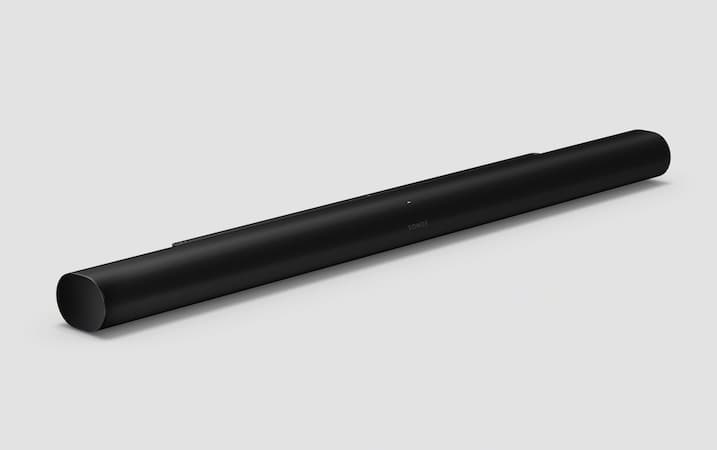
The Arc Ultra is Sonos’s most ambitious soundbar to date. It builds on the success of the original Arc but attempts to close the gaps critics and fans alike pointed out. That includes fuller bass, wider Atmos rendering, DTS support, and more flexibility in how you use it.
Sonos redesigned the internals with a total of 14 drivers, including a new low-end woofer and expanded upward-firing channels, to better handle Dolby Atmos content. With eARC-enabled TVs, the Arc Ultra taps into lossless Dolby TrueHD and now supports DTS-HD Master Audio 5.1. This was something missing from the original Arc and long requested by the community.
This is not reinvention. It is refinement. And that is the point. Sonos did not need to redefine what a premium soundbar is. It just needed to remind people that it still knows how to make one.
Critics agree. Reviews from Wired, Rtings, and AppleInsider all highlight the same themes: precise dialogue, a dynamic soundstage, better-integrated bass, and precise handling of complex spatial audio. The addition of Bluetooth, a first for any Sonos soundbar, reflects the kind of flexibility users expect. Similarly, the repositioned control interface is now tucked behind the top edge, rather than being placed awkwardly in the center.
Where the Arc Ultra shows growth is in its integration with the rest of the Sonos ecosystem. It is now easier than ever to expand into a complete surround system with speakers like the Era 300 or One SL. The setup remains smooth. Plug it in, open the app, and follow the instructions. That is the Sonos DNA people remember.
Still, there are reminders of recent missteps. During initial reviews, several users reported app hiccups, especially in multi-device setups. Most issues were eventually resolved through firmware updates, but they underscore the narrow margin for error when trust has been compromised. Maybe this is why Sonos is continuing to introduce new features to its products.
Clarity is often the missing piece in modern home cinema. As sound mixes become more cinematic, dialogue is frequently lost in a wall of effects, music, and ambient noise. Sonos is addressing this first-world problem with a new Speech Enhancement feature, a software-level solution designed to restore vocal clarity without compromising immersion.
Using AI to intelligently isolate dialogue in real-time, this feature allows viewers to fine-tune the speech track with four distinct levels, adapting the mix to their individual hearing preferences. The result is a more inclusive listening experience where even whispered lines are clear, but the emotional integrity of action scenes or music cues remains intact.
Sonos Ace: A Strong First Attempt in a Crowded Field
The Ace headphones are Sonos’s first foray into personal audio, a category already dominated by the usual suspects, Sony, Bose, and Apple. Positioned at the premium end of the market at £449 in the UK, the Ace is not just targeting audiophiles. Sonos wants these to be the headphones you reach for at home and on the road. They have introduced a few ecosystem tricks to make that happen.
At first glance, the Ace appears to be beautifully crafted. Reviewers consistently highlight the comfort, understated design, and premium build quality. They are light without feeling flimsy. The physical controls, especially the unique content key slider, are a welcome contrast to the fiddly touch interfaces that plague many rivals.
Sonically, they deliver a warm, safe tuning. The bass is intense but not overwhelming, the mids are slightly recessed, and the highs are clean, albeit occasionally sharp. They are not the most revealing or dynamic headphones in this class, but they are easy to listen to. For casual streaming, calls, and movies, they perform well.
What sets the Sonos Ace apart is the TV Audio Swap feature, which enables the Ace to take over the audio from a connected Sonos soundbar instantly. This is genuinely useful, especially for late-night viewing. It works over Wi-Fi rather than Bluetooth, preserving audio quality and maintaining tight lip-sync.
For many users, this seamless handoff is a compelling reason to consider the Ace over more established brands. But integration also highlights where Sonos has room to grow. Although it is a Sonos product, the Ace cannot stream music directly from the app, unlike a speaker. There is no Wi-Fi music playback, and there is no ability to group with other speakers. This is not a deal-breaker, but it is a missed opportunity, especially for loyal customers who expect complete ecosystem harmony.
Early app instability did not help. Firmware bugs affected everything from wear detection to pairing, and some users had difficulty completing setup at launch. Sonos has since released several updates, and most issues have been resolved. Still, the expectation of polish weighs heavily on this brand.
Sonos Sub (Gen 4): The Quiet Hero
Of the three products, the Sub is the least changed and perhaps the most reliable. It remains a visual statement piece with its iconic ring-shaped design, but its real value lies in what it brings sonically. Paired with the Arc Ultra, it delivers cinematic low-end depth. It provides not just more bass but more clarity across the whole system.
Setup is as simple as ever. Plug it in, assign it to a room, and let Trueplay handle the tuning. This is classic Sonos. It still works. Whether you go with the Gen 3 or the newer Sub Gen 4, the acoustic performance is virtually the same.
The Sub may not grab headlines, but it often completes the Sonos experience. It is a reminder of what Sonos does best with its elegant design, deep performance, and no fuss.
Where Does This Leave Sonos?
Sonos is no stranger to reinvention, but the app crisis in 2024 tested customer loyalty in a way few product stumbles ever have. For a brand that built its name on simplicity and reliability, the sudden breakdown in trust around something as fundamental as its software cut deep.
With CEO Patrick Spence stepping down and interim leadership stepping in, there is now an apparent effort to reset. New hardware will not erase the damage overnight, but the Arc Ultra, Ace, and Sub show that Sonos has not lost sight of what matters most.

The Arc Ultra has been universally praised. Very few doubted that the company could deliver sound quality that feels immersive and expansive without becoming overly complex. The Sub, meanwhile, rounds out that system with power and clarity, adding the kind of depth that transforms a room. Both serve as potent reminders of what the company can achieve when it focuses on its fundamentals.
The Ace headphones are a bolder, less specific step. They do many things right. Build quality, comfort, battery life, and integration with TV sound all hit the mark. However, in a market filled with excellent options, they fall just short of being a standout. Their value is clearest if you are already in the Sonos ecosystem. For everyone else, they are a good first attempt, but not yet a game-changer.
Most importantly, Sonos appears to be learning. Software updates have rolled out fast. User feedback is finally being heard. The new leadership seems more willing to engage directly with the community. The company still has work to do. Trust must be rebuilt not just through new products but through reliability over time.
These new releases show the potential for that to happen. They are not perfect. But they are thoughtful, polished, and in many cases genuinely exciting. That might be enough to convince longtime customers to stay. It might even win back a few who had started to drift away.
Have you recently upgraded your Sonos system or tried the Ace headphones? Did they restore your confidence in the brand, or do you think Sonos still has something to prove? I would love to hear your thoughts.