
AI is often likened to the iPhone moment in 2007. But it feels much more like the arrival of the Apple Store in 2008. It was a bizarre time when grown men (I was one) would hold up their phone, saying things like, "Look, I'm drinking a beer," using this app.
Within weeks, the phone would be transformed into a lightsaber, chainsaw, and even an ocarina. The smartphone was not fixing any problems or boosting productivity at this point; developers were trying to explore the art of the possible.
14 years later, the same childhood wonder would return when people began using AI to create their own action figures. The AI action figure trend exploded across LinkedIn, Instagram, and tech communities, but some users are still asking the same question: what prompts actually create these images?
This is where prompt design becomes practical rather than theoretical. When you understand how to structure instructions for an AI image model, you can consistently generate highly specific, personalized visuals.
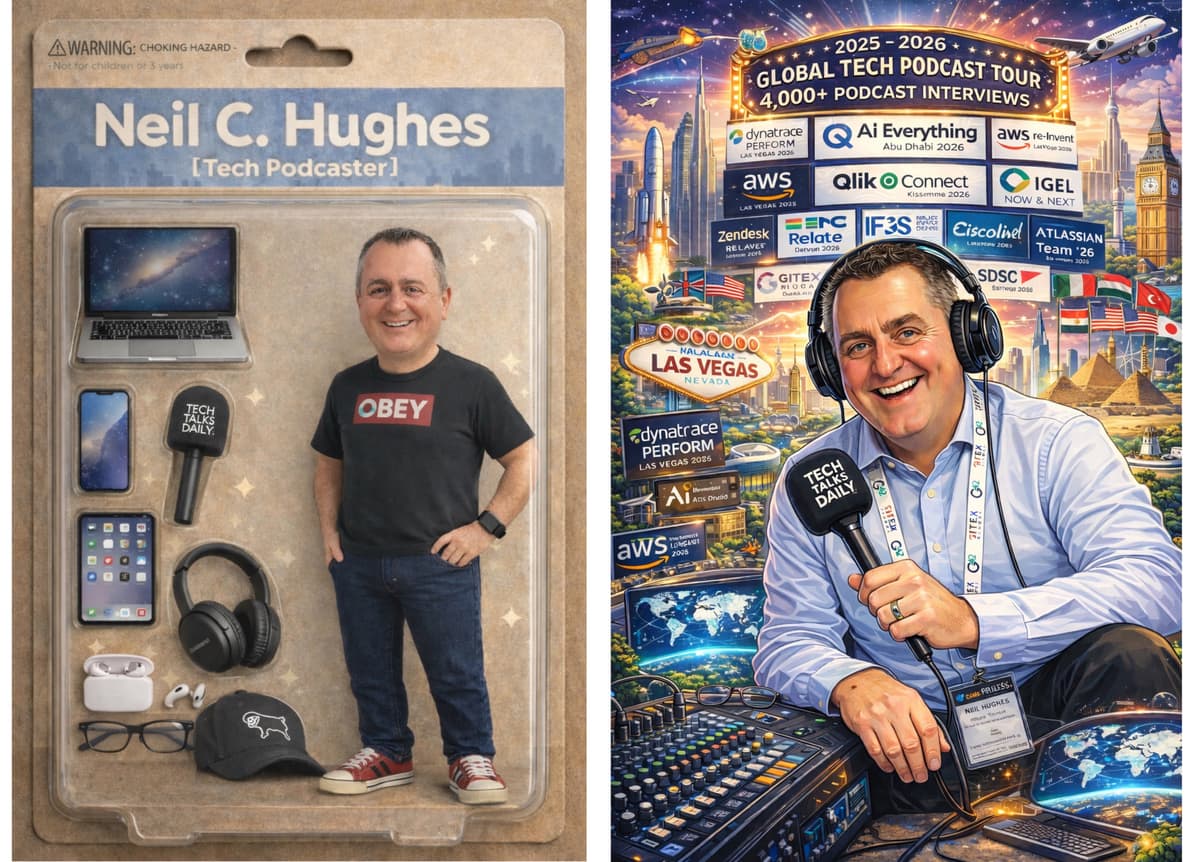
For example, I was able to create one within a couple of minutes by typing the prompt below into ChatGPT and attaching a recent photo.
"Make a picture of a 3D action figure toy, named "Neil C. Hughes." Make it look like it's displayed in a transparent plastic blister pack. The figure is as in the photo. On top of the packaging, there is large white writing: "[Neil C. Hughes]", then below it "[Tech Podcaster]". Dressed in [Jeans, t-shirt saying "obey", like in the They Live movie, adidas Gazelle sneakers.
Also, add some supporting items for the job next to the figure, like [MacBook Pro, Microphone, saying 'Tech Talks Daily', camera, iPhone, AirPods, Bose QuietComfort Headphones, black-rimmed glasses, Derby County baseball cap]. The packaging design is minimalist, in cardboard, in a cute toy style, and is sold in stores."
These simple instructions and a recent photo created the image below.
How to Turn Your Job, Personality, and Hobbies Into a Caricature Version of You
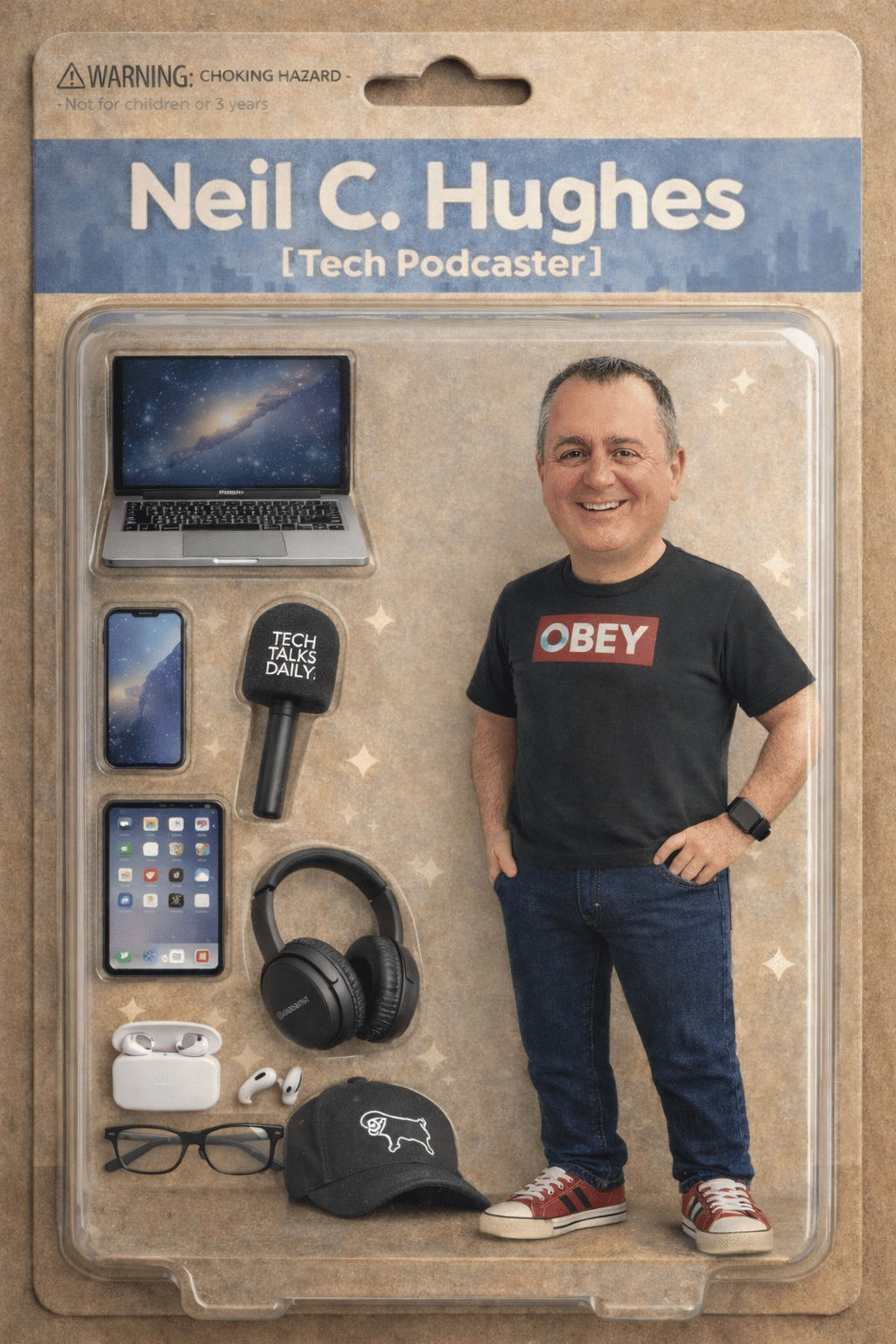
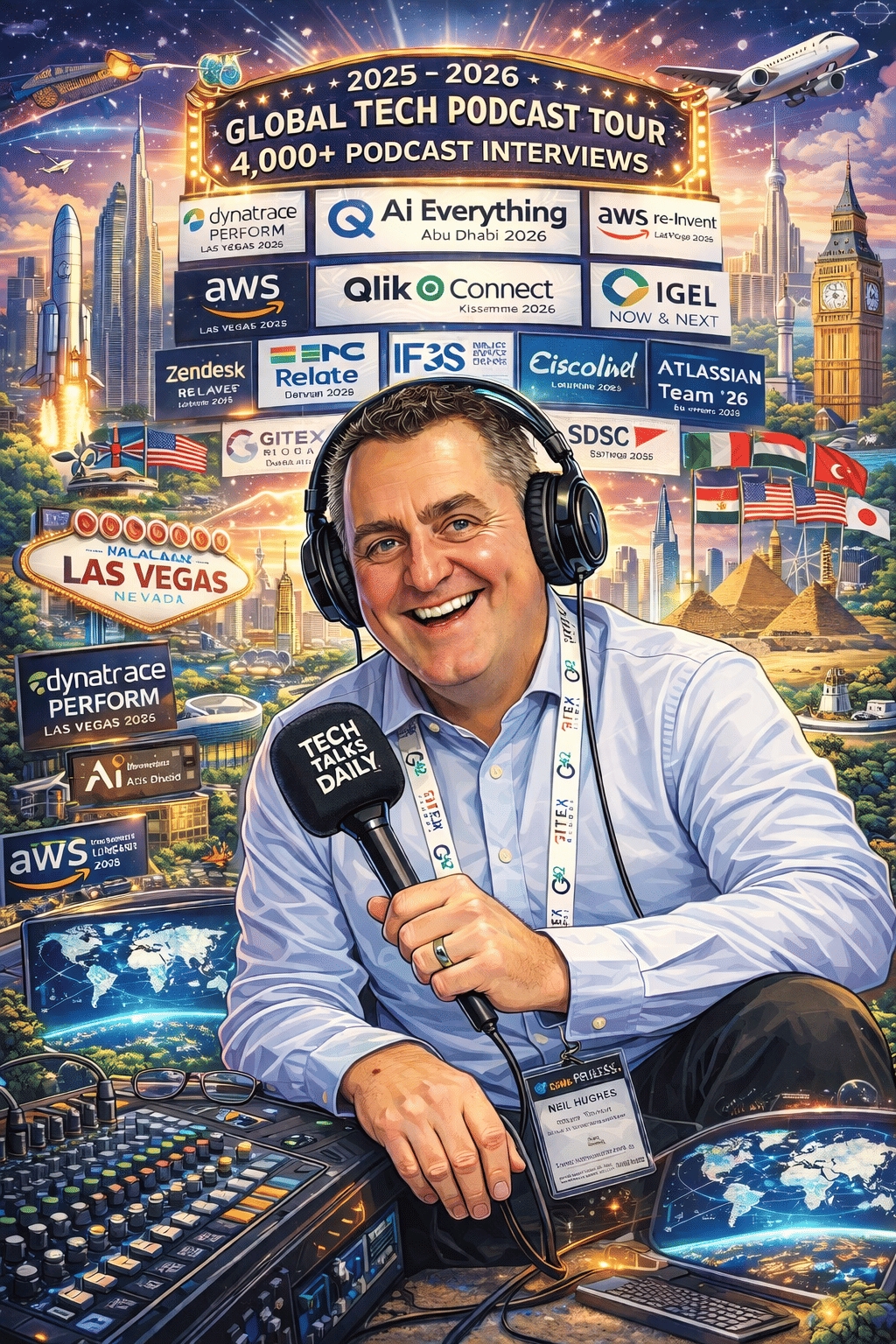
Turning yourself into an action figure is so 2025, and this year, audiences turned to AI once again. Professionals reimagined as comic-book characters, podcast hosts surrounded by microphones and neon soundwaves, developers with floating code, marketers riding rockets made of analytics dashboards.
Most of these images are generated with a single deceptively simple prompt.
"Create a caricature of me and my job based on everything you know about me."
It looks effortless. Upload a photo, paste the prompt, and the AI produces a highly personalized cartoon that feels strangely accurate.
But there is a reason why this works brilliantly for some people and falls flat for others. This trend is actually a perfect real-world lesson in how AI prompting, memory, and context function.
Why This Prompt Works (And Why It Sometimes Doesn't)
When someone with a long interaction history uses that viral one-line prompt, the AI already knows. If there is no prior history, you need to replace memory with detail.
Here is a search-friendly, repeatable prompt framework:
Create a colorful cartoon-style caricature based on the uploaded photo. The character should represent a [your job role]. Include visual elements related to [your industry or daily work].
Add props such as [tools you use].
Incorporate personal interests, including [hobbies, favorite places, sports teams, lifestyle details].
The mood should be [fun, energetic, professional, futuristic, etc.].
The background should reflect [your typical environment or brand style].
With Great Power Comes Great Responsibility
The joy of turning yourself into an action figure or a larger-than-life caricature sits alongside a more uncomfortable reality—every generated image results from a vast physical infrastructure that consumes significant energy. Recent estimates suggest that the data centers supporting large AI systems use more electricity in a year than entire nations, and the demand continues to rise as image generation becomes a daily habit rather than an occasional experiment. It has led to a half-joking, but telling, line in many households: every AI meme comes with an environmental cost.
The scale becomes easier to grasp when translated into familiar behavior. Analysis of tens of thousands of AI image posts on social platforms has shown energy consumption comparable to nearly 2 decades of continuous Netflix streaming. That does not mean individuals should stop experimenting, but it does change the tone of the conversation. Prompting is no longer a purely creative act. It is also a computational request that triggers GPUs, cooling systems, storage, and networking across multiple facilities.
Environmental impact is only one part of the debate. Critics have also questioned how the models were trained in the first place, particularly whether copyrighted material was used without permission or compensation. At the same time, there are growing concerns about privacy and cultural ownership. When an AI system blends recognizable styles, brand identities, and fictional characters into a single generated image, it raises difficult questions about attribution, control, and accountability. The personalization feels magical, but the process behind it remains largely invisible to users.
None of this removes the value of these tools. They lower creative barriers, give individuals new ways to express their professional identity, and open up visual storytelling to people who would never have touched design software. The responsibility lies in how we use them. Generating with intention rather than endlessly iterating for novelty, being transparent about AI-created visuals, and understanding the broader impact turn a viral trend into a more thoughtful practice.
The real shift for readers learning how to prompt is this: the skill is not only about getting better results. It is about knowing when to generate, why you are generating, and what that request costs in energy, data, and creative ownership.
It is the same spark of curiosity that once turned our phones into lightsabers, but this time the measure of progress will be whether we use it to create value rather than just another viral moment.