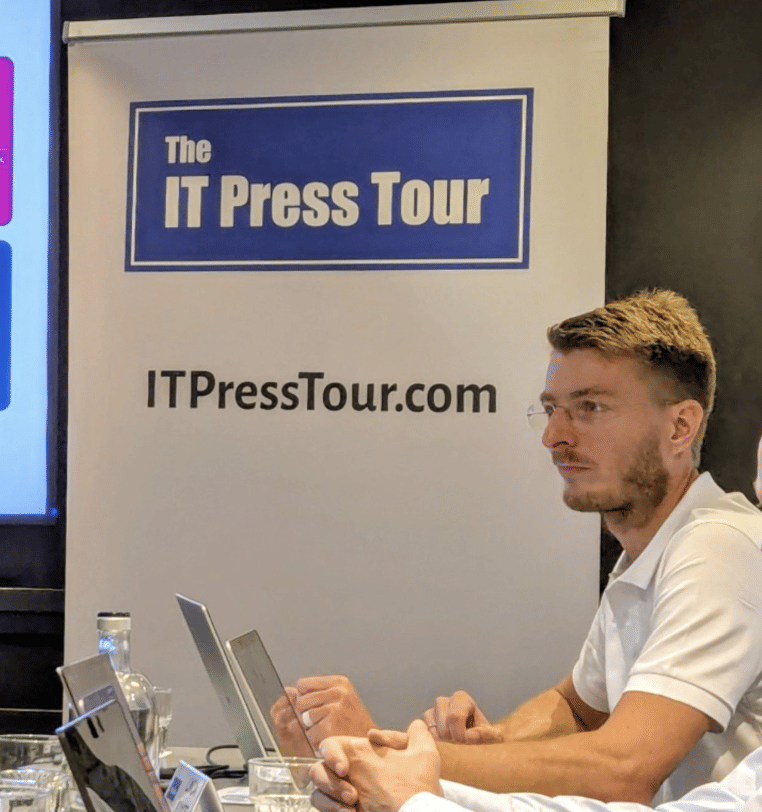
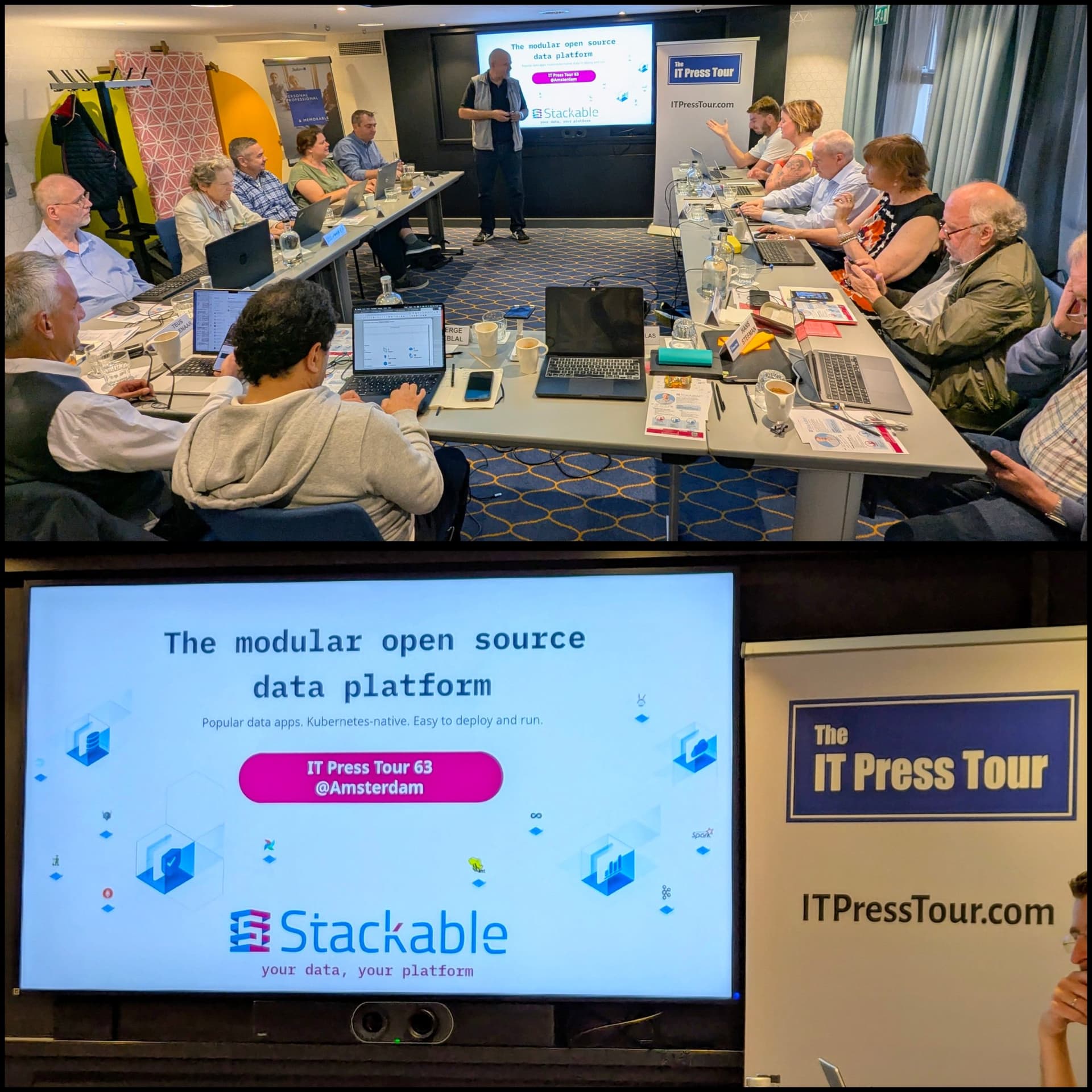
At the IT Press Tour in Amsterdam, Sönke Liebau, Co-founder and CPO of Stackable, shared how the company is reshaping the way enterprises approach big data. Their mission is straightforward: to make open-source data technology accessible at scale.
Stackable began with a group of engineers who had spent years deploying open-source frameworks, such as Hadoop, Kafka, and Flink, within enterprises. They loved the power of these tools but saw the same pattern repeat itself: the software was free, but the cost of integration, operation, and maintenance spiraled quickly.
Liebau explained it plainly. Many enterprises sought the flexibility of open source without incurring the long-term burden of building their own “mini distribution.” Stackable was born to fill that gap.
Their approach is to provide a curated, modular platform comprising the most essential open-source data projects. Each component — whether it’s for storage, streaming, or analytics is packaged with the operational tooling and lifecycle management that enterprises need.
“You should not have to be a Kafka expert, a Flink expert, and a Hadoop expert just to get value from your data,” Liebau told us.
Why It Matters Now
The timing is critical. Data volumes are exploding, and enterprises are caught between cloud lock-in on one side and the sprawl of DIY open-source deployments on the other. CIOs want flexibility, but they also need predictability, governance, and support.
Stackable positions itself as the bridge. It offers enterprises a way to stay close to the open-source ecosystem, avoiding proprietary dead ends while still having the confidence that someone stands behind the software.
This is particularly relevant in Europe, where data sovereignty and open technology values carry weight.
The Platform in Practice
At its core, Stackable’s platform pulls together:
Data storage and lakes for managing large volumes.
Stream processing with frameworks like Apache Flink.
Messaging with Apache Kafka.
Governance and observability are baked in to avoid “shadow IT” deployments.
The glue is what matters most. Enterprises don’t just get software components; they get a coherent stack that installs consistently, updates without breaking, and integrates with security and monitoring tools already in place.
Liebau pointed out that the goal is not to reinvent open source but to make it consumable. “We see ourselves as curators. Our job is to ensure that the pieces fit together and keep fitting together over time.”
Of course, Stackable is not alone. Cloud hyperscalers push their own managed services, while traditional vendors sell data platforms with their own lock-in. What sets Stackable apart is its commitment to being open-source first. Enterprises own the software, data, and infrastructure, while Stackable provides the packaging and support.
That positioning appeals to customers who worry about being tied to a single vendor or trapped in escalating subscription costs. It also resonates with European firms that want data infrastructure that respects sovereignty requirements.
My Takeaway from Amsterdam
What struck me most was the humility in Stackable’s approach. This is not a company chasing hype. It’s a team that has lived the operational pain of open-source data systems and decided to build a business around solving it.
As data becomes the fuel for AI, analytics, and digital transformation, the question enterprises face is how to utilize it effectively. Stackable’s answer is to provide the scaffolding: an integrated, enterprise-ready platform that preserves freedom of choice while cutting through the complexity. In a world full of shiny new tools, Stackable is focused on making the ones we already have usable at scale.
Over to You
I’ll be sitting down with Sönke Liebau for an upcoming podcast to dig deeper into this journey. What questions would you like me to put to him? Should I ask how Stackable balances the rapid pace of open-source innovation with enterprise stability? Or whether open-source data stacks can realistically compete with hyperscaler convenience?
Share your thoughts, and I’ll take them straight into the conversation.