
Why do companies spend millions on AI and digital transformation while overlooking the people expected to make those investments successful?
In this episode of Business Technology Perspectives, I speak with Elena Varo, founder of Elevatio Tech & Culture, about why the biggest barriers to technology adoption are often human rather than technical, what leaders misunderstand about organizational change, and why companies need to invest in people as seriously as they invest in technology.
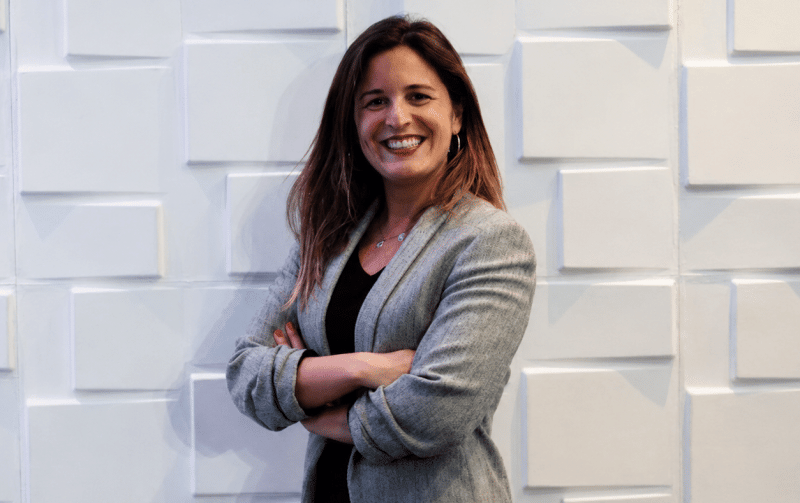
Elena brings more than a decade of experience across the technology industry, including work with Microsoft, Red Hat, CyberArk, and WSO2. Having worked across Spain, Ireland, and the UK, she has seen how leadership, workplace culture, communication, and organizational structures influence whether technology investments produce meaningful business outcomes.
A major theme throughout our conversation is the gap between buying technology and preparing a company to use it effectively. Elena argues that many businesses begin with the wrong question. They focus on which AI platform, cybersecurity product, or cloud provider to purchase before identifying the problem they need to solve and understanding whether employees have the skills, training, information, and support required to adopt new technology.
We discuss why AI is creating a leadership challenge that may be harder to solve than the technology itself. Employees want answers to practical questions about training, skills, changing roles, and expectations. When companies fail to communicate clearly or listen to their workforce, uncertainty grows, experienced employees leave, and technology adoption becomes harder.
Talent retention is another major part of the conversation. The technology industry frequently talks about skills shortages and recruiting new employees while paying far less attention to why talented people leave. Elena explains why salary alone rarely solves problems caused by unclear responsibilities, poor communication, limited career development, internal competition, and workplaces where employees do not feel safe speaking openly.
We also examine the relationship between employee well-being and long-term business performance. Constant technology change, economic uncertainty, demanding targets, and pressure to do more with fewer resources affect employees and managers alike. Companies that want people to collaborate, share knowledge, question assumptions, and develop new ideas need to create working environments where people feel supported and heard.
The conversation also addresses diversity in technology and why attracting more women and people from different backgrounds is only part of the challenge. Companies need to improve retention, promotion processes, sponsorship, access to leadership positions, and opportunities for people with different experiences to influence decisions.
Elena also shares why she founded Elevatio Tech & Culture and her plans for a technology congress in Córdoba that brings business leaders, technologists, universities, public institutions, and other participants together to discuss technology adoption, organizational culture, talent, leadership, and employee well-being.
For CEOs, CIOs, HR leaders, technology executives, and anyone responsible for AI adoption or digital transformation, this conversation provides practical lessons about preparing employees for change, retaining experienced talent, improving communication, supporting psychological safety, and creating workplaces where technology investments can produce better outcomes.
Elena’s advice to business leaders is clear: invest in people as seriously as you invest in technology. Technology can be purchased, but building a workplace where people trust their leaders, develop new skills, share knowledge, and want to contribute requires sustained attention.
Useful Links
Connect with Elena Varo,
Follow Elevatio Tech & Culture (Link to follow)
Neil: [00:00:00] One of the many reasons I record Business Tech Perspectives is to share voices, experiences, and ideas from different parts of the world. Because the way we think about technology, leadership, and the future of work shouldn't be shaped by the same people having the same conversations, and today's guest is a perfect fit for this mission.
Her name's Elena Varro, and she's the founder of Elevatio Tech and Culture. She's gonna be talking to me in Spain today, and she's someone that built a career working across different countries, cultures, and some of the biggest names in technology. So I invited her on today to talk about why companies can buy the latest technology but not have a healthy culture, and why talented people often leave businesses that fail to listen, and why investing in people as [00:01:00] seriously as they invest in AI and other technologies could be one of the smartest business decisions that any leader can make.
But I don't wanna reveal too much here. It's a great conversation, so let me introduce you to Elena right now.
So thank you for joining me on the podcast today. Can you
Neil: So thank you for joining me on the podcast today. Can you
tell everyone listening a little about who you are and what you do?
Elena: Well, personally, Neil, thank you very much for having me today.
My name is Elena Varro. I're born in the south of Spain in a small town called Cordoba. Um, I have been working in, in IT for more than 10 years now in, in big organization as Microsoft, Red Hat, um, SUSE, and WSU too. Um, I have been living also in different cities as Dublin, uh, different countries, and UK, in, in London, UK and in Madrid and Barcelona.
So for me it's actually really funny because I'm coming from journalism [00:02:00] and communication work. So I grow my career in these countries, and I have seen, like, many ways to work, many cultures, many like, uh, leadership styles. Um, getting to know people also in different country made me who I am now, right?
So, um, I also have built Elevatio Tech and Congress, which is like, um, uh, I would say community, but no, I don't like community word because when we talk a lot about community, it become a closed group. I don't like the word of community, but this is like a platform who is gonna invest time to show people, um,
that leadership, uh, organizational culture mental health, wellbeing of employee is actually related to adoption of technology and is, is- Related to the business impact that all of this have. So I'm organizing a big congress, uh, next year in Córdoba, because geopolitical, I think, has [00:03:00] has affect to, to, to the way we're telling art.
And in Córdoba, there is a huge opportunity to do this congress and, and give them visibility. So that's the first initiative, big initiative of Elevatio tech and, um, and culture society limit.
Neil: And so much I love about your story there, especially working in different cultures, different cities, and spread right across Europe there.
And I think having that diversity of thought that allows you to just slot in anywhere across Europe is just so useful, and I think it also must give you a, a very unique vantage point, uh, into the world of technology and business right now. And for the most part, if we l- look down our news feeds, everybody's spending huge amounts of time discussing AI, cybersecurity, digital transformation.
But again, one of the things that stood out about you is you've argued that the real barriers to success are often human rather than technical. So what would you say is the, the biggest misconception that tech [00:04:00] leaders still have about transformation today?
Elena: So misconception, I think it's about talking only about technology, but not clearly, uh, speak about how to
apply to technology in organization. What I mean is, like, I think organization are not are to not... Let me tell you the word. Are not ready to get the technology and the talents that technologies grow. So they have to think that when leaders are ready to listen the talent, when the communication is clear, uh, like for example, I think the people doesn't know, uh, do I gonna receive any training?
Do I do any, any skill at the moment for AI? Do I need to be ready for a change but somehow? So I think the organization doesn't even have the question for the employees, so because this is changing really fast. Um, [00:05:00] um, I, I remember last year conversation with, um, some organism- some company that they, they were scared about to put AI into production, and they spend one year trying to take the decision.
So even the leaders have, are, are ha- kind of half affair about what is going on. Um, I think we have s- we have seen many organization that have employee let them go, and now they are, you know, hiring them again. So misconception is when, Um, the organization is not aligned with the human side, and the human side is created about listening, communication clear alignment between HR managers and employees.
So but not only that, I wanna say also that customers, end users, and partners, um, um, vendor have to also be aligned. So it's not like only, you know, inside of the organization, outside of the organization. So you have the talent people, like [00:06:00] all the time leaving and coming in, so it's, it's really-- it's a big challenge because, you know, like, like company have to start building the relationship with the new account manager, new technical person.
Uh, you know, like they have, for example, like, sharing knowledge on the use case again to the new people in, in, you know. So at the end, is this is matter about, uh, um, the, the misconception only affect, uh, a-affect also to the timelines. This, you know, and timelines now is like we are going really fast in the technology, but doesn't matter if the technology is going really fast.
Organization have to be aligned with that time, taking the right decision internally
Neil: 100% with you there. And what I also love about your story is you've worked at so many big organizations and some big names as well, including Microsoft, Red Hat, CyberArk, WSO2, to name but a few. But I'm curious, if you were to look at all of those experiences, what, what is it that you've seen separate companies that [00:07:00] successfully turn technology investments into real business outcomes and improving things from those that spend millions and still struggle to create any meaningful change and end up with maybe AI theater or something like that and, and struggling to get out of pilot phase?
What, what, what is the difference between those that get it right and those that don't?
Elena: Okay. So a successful organization is always the one who is gonna take a decision about the business impact, about h- the improvement in, in the organization and the, and the, and cust- and the users.
Not about which technology they are gonna buy. It's not about the platform. You, you can see like different companies buying exactly the same platform, but then if you don't analyze properly the business before, the business outcome, you're not gonna be successful. So I think that so many organization, uh, start deciding, okay, wh- which hyperscaler I'm gonna buy, which...
What is the cybersecurity [00:08:00] tool I'm gonna implement? But they have to analyze before and get the organization again ready for that decision because you have to think like, I have to think like so many company have really similar functionality right now. And at the moment the vendor have the tools and the way to adapt to the use case of the customer.
That, I don't think that's the, the problem, right? I think the problem is that they invest millions of technology without considering the human side. So the human side, everyone is talking now about human side, personas, et cetera, but are we actually implementing this theory into the practical, you know, into the practical life?
Because let me say something like let me, let me go one step up, right? Um, the human side is now also about the business impact. Okay. Let me explain you this. All the time people say yes. I just say that, I just say that in, in the question before. We have to [00:09:00] align the wellness, the, the leadership, the, the, the culture organization, but If someone is not feeling right, if people has not been listening, if people are unclear about the situation, if you get a toxic culture because even the manager have the pressure on on, on...
I'm not blaming the manager, right? But you just need to give them our resources. It's not all the time about business. To know the human side, when we really care about people, when we really care about if you have a team that is not aligned and is not actually performing well, that is because they are not feeling well.
So let's go and listening to them and give them the resources. Doesn't matter now how this is gonna impact in the business, okay? So because managers all the time wanted to talk about this, but come on, let's, let's actually be human.
Neil: And speaking of that, a- actually being human about this, it does feel like every organization is all on this big gold rush to, uh, hop on that bandwagon and do [00:10:00] AI.
And I th- I think a- as everyone's racing to adopt AI, do you think the leadership challenges that AI is creating, are, are they actually bigger than the technology challenges themselves? What are you seeing there?
Elena: Technology isn't the bottleneck anymore, and leadership is. They, as I said before, they are afraid about how it's going, the situation at the moment.
Um, I don't know if you, you, you, for example, you know, I'm in a state that, uh, the NYX AI risk management frame- framework for, well, for those people are listening to the podcast and doesn't know, it's like a framework that, um, the government of the state is giving to the organization about how to deploy, about how to adopt AI in a secure and transparent way.
And actually, one of the main points in that framework is about, um, culture, the culture in the organizations. So here we are. We know that, right? So wherever [00:11:00] they will be supported through change, wherever they will have the skill, the organization that success will necessarily be those with the most advanced AI.
Neil: And if we spend any time scrolling down our LinkedIn newsfeed, we will see how the tech industry is always talking about attracting more tech talent. But one of the things that always seems to be missing is retention. It's receives far less attention, which is crazy really, considering it is much cheaper to, uh, retain staff than it is to bring in new people.
But what, why is it that so many talented people leave organizations, and what are leaders missing when it, it comes to creating workplaces where people genuinely want to stay? What's going wrong here?
Elena: So we are talking all the time about that, uh, people, l- l- like the organization, uh, uh, need talent, but they don't know how to retain the talent, right?
It's the same conversation all over again because they are strategy business priorities. They have to [00:12:00] prioritize the people in, in all the, the, in the target, the final strategy of the company. So- When that happen, when you get like organization with new talent and you don't listen to them, you don't leave them to share knowledge and grow together, the collaboration suffer.
Like innovation sh- uh, slow down. And that's for me what I really liked. I have been working in open source, um, and software for many years, you know, like, uh, that was the two, like Rahas used to say. Um, this is, this is really valuable in the way that we have seen, we have seen the world when people share knowledge, when people create the software together the end, the result is gonna be better, right?
So with the talent, it's exactly the same. We have seen all this community making a huge impact with the enterprise product to the organizations. So with the talent, it's absolutely the same. I, I think Amy Edmondson works on psychology safety, and he has shown that [00:13:00] high-performing team are the environment where people feel safe, okay?
People are safe to speak. I was yesterday talking with, um, our, our big, um, journalist here in Spain, a writer. Her name is Teresa Viejo, and she actually Uh, is expertise in a project that she ha-has built, um, about curious. She speak about all the time about to be curious and d-diversity, okay? So that's the key, okay?
The... What is curious and what is diversity? Th-that first, as people know that curious is like emotional, like psychologically emotional thing when people wanted to learn all the time, right? And diversity is when you accept and respect the people are different, the people have different ideas. So the key is to link these two and get organization where talent, where they can actually grow, be curious, innovate, uh, improve processes, uh, help the other next to you.
Because otherwise, you are gonna, for example, [00:14:00] create a lot of competition inside, and the innovation's gonna go away because these people are gonna get tired, these people are not gonna be feeling, uh, safe anymore in the organization. So I think there is, for example, o-one of the things, uh, I saw in, in this many organization is the, the different title, for example.
Different title, okay? You, you arrive with experience and then so- for example, as an account manager, and you have someone next to you as a director with less experience or different experience, but scratching the thing from the same level. So building the team to adopt and buy a technology from the scratch.
So people are not gonna understand what's your role, what's my role, so the communita- communication, the decision, and, uh, gonna be like, uh, getting a conflict in the teams. So talent, when they leave the company, is probably sometime it's not about getting better salary. That's what people think. No.
It's about getting environment [00:15:00] safety to impact in the wellbeing. Because also, you know, like we, we work and then we go home a-and we have a family. We have people that we have to take care of also. So this is actually really important. And that's I feeling are like, um, like the people running in the top, they're still not realizing this is the problem
Neil: Yeah, I completely agree with you.
And it's something I've seen very often throughout my career, where even the employee themselves almost fool themself thinking, "Well, if I get that pay rise, if I get extra money, then everything will be okay." But no, it seldom is. You get that money, and then you're still feeling tired, you're still feeling fatigued.
And mental wellbeing, as you mentioned there, has become a major conversation in technology, particularly as teams are c- increasingly facing constant change, economic uncertainty, pressure to do more with less. I know burnout is a huge deal in cybersecurity. So what have you learned about that relationship between wellbeing, [00:16:00] performance, and long-term business success?
Elena: It's a way of saying that in the, in the, in the question before, that creativity, collaboration, customer relationship is gonna impact in the lo- long-term performance. So I was reading the other day also, um, an article where you say, where Simon S- Sinek often remind us that people are inspired by purpose.
So you get the people incentive with a clear role about what they are doing in environment where they can share the knowledge. They have to work as a team and really matter well, and no matter accepts about a teamwork. People are gonna feel physically, feel ... Psychologically safe and trust by their leaders, okay?
So immediately the, the, the, you can see the, how the performance is gonna, you know, like, go up. You, I have the other day an interview with a company- That he was like, "Okay, I'm not gonna ask you about who you are. I can see in the [00:17:00] CV." I, I love that guy in that, in that, in that interview. He's like, "I'm gonna see if we have the same values and we, and we can connect the way to work."
And I was like, oh my God, this is the company where I wanna work, you know? It's straightforward because, uh, having a lot of interviews at the moment. He was saying, "For me, it's really important as a leader to trust. I will leave you to work under confident." So wellbeing, um, and the, and the mental health is also impact about this, right?
But as I, I say, uh, as I said before, I don't want to put, um, all the responsibility to manager. We have to think the managers have the pressure, the audit is the target, and they're j- j- you know, they have the business outcome that they have to meet. But then you have HR who is the ones who care about grow about employees' career.
But then the employees are actually the one between those as often. Business outcome plus career grow, you know, the... It's, it's like it's really difficult, I think. It's really complex, all of [00:18:00] this. So, and the world is changing really fast. The way we work, the, you know, the new generation, for example they are not thinking the same as the traditional way as so many manager at the, at the moment and so many leadership, uh, are, are, are, are applying right now.
Ev- everything is changing really fast, you know, people and the world, the society, the economy. So all of this is, is, you know, people wanted to live in in, in cities where they can have better quality. If they want to have a better quality, why? Because maybe they don't they are having, um, they are suffering silent in big cities with the pressure of the big multinational not taking care about the wellbeing.
So I think it's all kind of a cycle, right?
Neil: Yeah, completely agree with you. And elsewhere in the industry, I think we have seen big improvements, but s- but the tech industry still has a massive diversity problem. And then the industry needs more women, more people from different backgrounds. We need diversity of thought to solve [00:19:00] complex problems, different ways of thinking too.
And the reason I bring this up is I know through your work with Women4Cyber and other initiatives, you've seen firsthand both the progress and the remaining challenges around diversity in tech. So what needs to happen? If we wanna see more women and more people from different backgrounds, not only entering the industry, but progressing into senior leadership roles, what needs to change?
Elena: So I actually collaborate with Women4Cyber Security Fou- fou- foundation really important here in, in Spain, but they are in more than 30 countries. We actually just opened the, the one, one in, in UK, in London. Um, and I'm the, the ambassador from Córdoba in the south of Spain of, of the foundation.
Edu, the president, she's really Edu Vigils Ortiz, she's really active about giving the values to, to, to the, to how women not only have to accept, but they have to stay. So if we think about that, right? Um, we think about- [00:20:00] About how people discuss this matter. So many time I, I, I'm having a coffee, I'm having a beer with my friends, "No, Elena, because, uh, the woman are mess," no, the numbers are there.
The numbers are actually showing that 42% of the workforce, only 28 is leadership position, right?
But I was seeing the other day in, in Forbes, in a, in an article in Forbes that so many times when woman get into the leadership role is because they know that the company's not going well, and isn't gonna e- is not gonna end well.
So this, it's not about prevention, it's not about solution, it's about something else. I did the other day, like, conference, well, no, the other day in February, right? A woman tech maker organization also. Um, there were, like, 40 people, like 30 pe- 30 womans there, and I was just straightforward talking about why 50, 50% of the woman, y- 50%, right?
Yeah. Of the woman leave the companies, [00:21:00] okay? Um, I was emphasizing this in the, in the, in the conference, and I was talking really clear about that, right? So we need the sponsorship. You know, we need the company to give the, the properly visi- visibility to the, to also to everyone, not only to woman, okay?
Yeah. To everyone, right? We need to be transparent about the promotion processes. So inclusive leadership have to be aware about all these numbers because, you know, everyone get into the daily basic, but you have next to you a problem that you are not solving. So- Because diversity isn't only about representation, it's about making better decision.
Neil: Yeah, completely agree again. And you're someone that doesn't just talk about this, you also go out there and make a difference. I mean, you've launched Elevatio Tech and Culture- Yeah ... and done that with this belief that technology, leadership, innovation, and community should all be part of the same [00:22:00] conversation.
So kudos to you for going out and doing this. But why do you think traditional industry events often struggle to create those kind of connections? And what are you trying to do differently, and how are you doing it? Tell me more about this.
Elena: , I was feeling that they was missing something.. Because my, my, my whole, um, life and work experience, we have to say, because both are linking, how many, how many hours we, we spend at work, right? I ha- I, I'm feeling, again, something was missing because most technology event focus on product, platform- ... roadmap, networking. 100% this conversation matter, of course.
I wanted to improve my process. I wanted to improve the, the end user, um, experience, of course. Everyone want to get, uh, to do more revenue. That's for sure, right? But this is only part of the story. So for me the, I have realized organization don't transform in installation. Yeah. Customer, vendors, partner, university, community, public institution, [00:23:00] it's all about the same ecosystem.
So Elevatio Tech and Congress is actually... My objective is that when they are having all this conversation, they have to have this conversation together, aligned, and I want this CIO, so I want all these presidents everyone, technical people, leave the Congress with already a clear idea about how they can change organization to get this better.
Not only inspiring a conversation about all this, inspiring the stage. Mm. No, I want to do this differently. I want that they definitely improve and they change this number that we were saying before.
So I really hope that we can actually move on into a big project. I'm doing a marketplace, but this is another one, um, this is the second estate of Elevatio.
Neil: And I'm gonna throw a, a curveball your way here, 'cause before you came on the podcast, I was doing a little research on you, and man, you've been a lot of place.
You're an incredibly busy, uh, person here. [00:24:00] You're, you're also the creator of Equinoccio Sound, uh, uh, electronic- ... music ecosystems. Tell me about that. It sounds incredibly cool.
Elena: I love music. For me- Yeah ... you know, like I love music. It's one of my passions. I actually study... I have the degree in the conservatory of music for 10 years, so I have been listening to music since I'm six years old.
I'm mad about this classic music, rock flamenco, uh, jazz, uh, for jazz, but also electronic music because in the south of Spain, there is a big culture about that. Yeah. So again, it's about talent and people. So I was always organizing events in Dublin, in London, um, at the same time that I was working in technology about music event.
They were ac- absolutely different event because I try to put different pieces together. For example one, one is g- to be honest, doing experience. Now it's really, it's really easy to speak about experience in event, but 10 years ago, there was [00:25:00] no kind of a, a experience event. And Equinoccio Sound starts in Madrid five years ago, where we start in a castle with a, you know, in a castle, renting a castle.
And it was kind of the people, and I will supply open source from technology to that, to music. So people could go into a stage, play, and share the knowledge of music to the other DJs. So that DJs start to get communicated with different collective around the city. The music could go to different, areas in the city, and people will get connected to do together from a band, to share the knowledge about how to play, and obviously to get visibility to, to talent in, in the, in the, in the, in, in music, um, in electronic music.
So we are having now, um, two big project. Um, I was in, in IMS. It's like the Ibiza music summit where I met a lot of people and we were talking about technology, promoter, DJs, how also the industry is getting problems. But [00:26:00] I'm building also a, like an award, for talent so we can actually get better quality about industry.
So it's something that I love. It's something I, I love it.
Neil: Absolutely brilliant. I love how you fuse the worlds of music and technology and talent together there. Absolutely brilliant. And so if you could give one piece of advice to a CEO listening that would help them prepare their organization for the next, uh, decade or few years ahead of AI, automation, and digital transformation, what would you tell them to focus on first and why?
Elena: So w-, I think simple. Of, of the time we have been talking here, investing in people as seriously as you invest in technology. Because technology can be purchased, but cultures can't. And you know, like we, they are talking, like, they are getting conscious about this, and they are talking now about governments- Yeah
about risk management, you know, about regulation. All this is related to, right? And I have seen this a lot in [00:27:00] Linkin, but let's invest seriously about this. Let's get people recognized. Let's get people to do their job, uh, in this, in, in a safe environment. So the organization that will lead the next decade, I would say, won't necessarily be the one with the best technology.
100%.
Neil: Love it, and I think that's a powerful moment to end on. But before I do let you go, for anybody listening wanting to find out more information about you, the events, your work, you're so busy. Where would you like me to point everyone listening if they wanna get in touch with you?
Elena: I think the easiest way is, is, is the place is Linkin.
So- Yeah ... looking for myself, Elena Varo. Um, Elena Varo, V-A-R-O. So you can find there about... Because we are actually building the web now. It's, it's gonna go up in, in two weeks, the Varo Tech Congress in Córdoba. Um, the Gnosis song is in Instagram.
Neil: Awesome. I'll add links to LinkedIn, Instagram, everything you mentioned there. And for me, this was one of those episodes that [00:28:00] had absolutely everything. We covered music, technology- ... your inspiring work with Women4Cyber, people, culture, talent, and the, uh- Absolutely ... although this is a tech podcast, there's a real man in it, I think we just covered so much of the human element, and I think we need that more than ever right now.
So thank you for sharing your story today.
Elena: Thank you, Neil, for that opportunity. Thank you. Thank you very much.
Neil: For me, today's conversation captured exactly why I created the Business Tech Perspectives podcast. My guest brought together experiences from Spain, Ireland, and the UK, a career across global technology companies, and her work supporting women in cyber, combined with a passion for electronic music and open source culture, I think just spoke volumes today.
Because the message connecting everything was wonderfully simple. Technology can be purchased, but culture cannot. And businesses, yes, [00:29:00] they can invest millions in AI, cybersecurity, and digital transformation projects, but if your people don't feel heard, supported, trusted, and are able to contribute, technology alone will never deliver the results that leaders expect.
But I'd love to hear your thoughts on this one. Are, are you or your business investing in your people with the exact same ambition and urgency that you're investing in AI and other big tech initiatives? And if you're not, why not? Hopefully, that set off a light bulb moment in you. But let me know, please.
techtalksnetwork.com. There's over 4,000 interviews over there. So much gold and so many great conversations like this one. So thank you so much to my guest today for bringing all this to life and taking the time to sit down with me. And as for everybody else, thank you for listening, and not only listening to this episode, but listening right to the [00:30:00] end.
And I cordially invite you to subscribe, and maybe we'll talk again real soon. Thanks for listening. Bye for now.