

What happens when an AI assistant becomes the first place a potential customer learns about your company, but the answer it provides is inaccurate, outdated, or influenced by a competitor?
In this episode of Tech Talks Daily, I speak with Justin Seibert, founder and president of DOM, also known as Direct Online Marketing, about generative engine optimization, AI search visibility, and the brand narratives being assembled by ChatGPT, Claude, Google AI, and other answer engines.
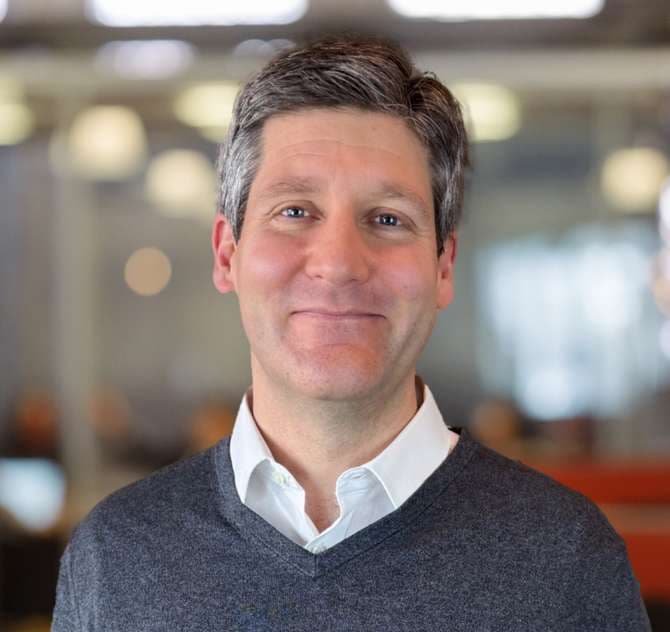
Justin has worked in digital marketing since 2001 and founded DOM in 2006. He has watched search marketing develop from the early days of measurable clicks and online leads into a system where an AI assistant may answer the customer's question before that person visits a company website.
We discuss why appearing in AI search results tells only part of the story. Companies must also understand what the system says about them, whether the information is accurate, and which sources influenced the answer. Reviews, Reddit discussions, press coverage, social media, newsletters, company websites, and third-party platforms can all contribute to the narrative.
Justin recommends separating prompts into four groups: branded searches, competitor searches, top-of-funnel informational questions, and bottom-of-funnel transactional questions. Each category requires different measurements. Branded prompts reveal sentiment and accuracy, while transactional prompts show whether the company reaches the shortlist presented to a motivated buyer.
He also explains why companies should define the niche in which they want to become the preferred recommendation. A broad insurance company may struggle to dominate every AI conversation, for example, but it could establish authority among a specific age group, product category, or geographic market.
According to Justin, visitors arriving through AI referrals can convert at rates two to four times higher than traditional search visitors. He believes these buyers often arrive better informed, with a shorter list of options and a stronger intention to make a decision. That makes exclusion from an AI-generated shortlist a serious commercial risk.
We also consider what happens when paid placements become common inside AI experiences. Justin argues that companies building organic authority today may retain an advantage as AI advertising becomes increasingly crowded and expensive.
Finally, Justin offers a practical audit any leader can perform. Log out, use a private browser, check from relevant countries, compare the company with its competitors, ask the AI why it produced its answer, and inspect the sources it cites.
Have you checked what AI assistants say about your company, and would a potential customer trust the story they find? Listen to the conversation and share your thoughts with me.
Useful Links
Connect with Justin Seibert

[00:00:04] What happens when an AI assistant becomes the first place that a customer learns about you and your company? Not Google, not your website, but an AI assistant. What if that answer is completely wrong? Well, today I'm joined by Justin Seibert. He's the founder and president of DOM, which stands for Direct Online Marketing.
[00:00:27] And we're going to discuss Generative Engine Optimization, or GEO. And that growing divide between AI search visibility and brand narrative. Because he's going to explain where systems like ChatGPT, Claude and Google AI, how they all gather their information.
[00:00:49] And why reviews, Reddit posts, press coverage, newsletters and company websites can all influence recommendations. And why appearing in an answer means very little if the description just damages trust. And we'll also discuss unusually strong conversion rates in AI referrals. The shrinking space for organic search results.
[00:01:14] And a practical audit that any leader can run through after they've listened to this podcast. So, what does AI believe about you and your business today? Well, these are a few of the things we're going to cover. But enough from me. Let me introduce you to Justin right now. So, thank you for joining me on the show today. Can you tell everyone listening a little about who you are and what you do? So, my name's Justin Seibert.
[00:01:42] I started in digital marketing in 2001. And I was doing this in-house for a financial firm. We're able to have, fortunately, a lot of success there. Come 2006, we had already had our first child in Los Angeles. My wife, Heather, became pregnant for the second time. And I am not saying there's anything wrong with raising a family in Los Angeles. I am just saying it was not right for our family.
[00:02:07] So, the shortest version is we moved back east to be closer to where my family was from and with the support of my amazing wife. This is 2006. As you know, Neil, digital marketing was kind of still in its infancy at that time. People were still even questioning if the internet was a real thing. And so, while I was looking around for work, which is my primary goal, there weren't a lot of opportunities in the market I was in outside of Pittsburgh.
[00:02:34] So, we were – I started the agency. So, for 20 years, we've had a digital marketing agency called Direct Online Marketing. And we just go by Dawn. You made a little joke there about, you know, people were wondering if the internet was a real thing. But I still clearly remember – I don't know if you remember this – it was the David Letterman show. And Bill Gates was talking about the internet. And Letterman just kept saying, what is internet? And nobody seemed to get it. And the crowd was mocking him. We've come a long way since then, haven't we?
[00:03:03] Yeah, absolutely. And it's – the reason it became real to me was I was just lucky. I didn't have a background in web design or marketing or anything like that. And I went to a company that was very successful in their own form of direct response. And so, they were actually radio, which is a whole other topic. And they came to me and said, hey, for us to grow, we need another marketing leg. We think it's the internet. Go figure it out.
[00:03:31] So, I was able to see that you put a dollar in. And first, it was advertising on goto.com. And you put your money in. You get a click. These are people that are actively looking for what you're offering. And you can turn those into leads and sales. And so, I saw the numbers. And it wasn't that the internet was this brand new thing, which you're seeing companies with no business models going out of business, padlocking the front doors when their employees showed up to work on Monday morning because they didn't have a business plan.
[00:04:00] But if you had a business plan, this was a tool just to accelerate everything. Yeah, it really was. And over the last 25 years, we've seen so many big changes. The goal, for example, of search marketing was relatively straightforward. Rank highly enough to be found. That was the game. But with AI increasingly answering the question itself, I've got to ask, has the challenge changed from can customers find us to what does AI believe about us?
[00:04:28] And what is it going to tell other people about us? What are you seeing and hearing here? Yeah, 100%. So, a couple of things. Number one, are you being found in AI search? That's still the table stakes, right? You've got to be there. But the second part that you're alluding to is spot on because it's about sentiment. And are you being referred to in a good way? Because it's looking at reviews. It's looking at what's being said about you on Reddit.
[00:04:53] It's trying to gather all this information around and determine, are you the best or whatever that person is searching for that they can actually recommend you? We talk in our agency a lot about non-legally binding superlatives because what people are searching for at best, the fastest, the highest reviewed, the best rated, the cheapest, whatever it is, they're searching for those superlatives. And that's what AI is trying to recommend to them. So, we talk a lot about how can you talk about yourself in those ways or get other
[00:05:22] people to talk about yourself in those ways. And I was reading before you joined me on the show today that you also made an interesting distinction between visibility and narrative. And it's such an important aspect to mention here because a company could appear frequently in AI answers but be described inaccurately, negatively, or in ways that it just cannot control. So, business leaders listening that are starting to think about this, how should they measure
[00:05:50] whether they're showing up well rather than simply showing up? Yeah. So, I think it's important when you think about the prompts to put them into four different buckets because what I'd recommend you measure is going to be different depending on what that bucket is. So, the buckets I like to think about are branded for your own brand, competitors, brands, then top of funnel kind of informational searches, and then bottom of the funnel transactional type searches.
[00:06:17] So, when we're talking right now, first about branded, it's all about sentiment. And so, what's being said about you? Is it accurate? Has it pulled information from some dusty corner of the internet or just even hallucinated information that isn't right, and what can you do to control that narrative to make sure that it's accurate? And then as you move down into other things like top of the funnel and the bottom of the funnel searches where they're not looking for you specifically, number one, that you're showing
[00:06:44] up, but when you're showing up, as you said, is it giving the right information about you? Because people are taking that short list, the ChatGPT or Claude or Google AI or whoever they turn to as their trusted partner in crime, they're looking at that as gospel. And so, that is the short list that they're going to work from. They're not going to look at anybody outside. And based on what's said about you, you're not even going to have a chance. You're not going to have a bite at that apple where they're going to go to your website and
[00:07:11] look you up because they're relying on what is being said in that conversation. And on that exact point, the question I've got to ask on behalf of business leaders here is where are systems like ChatGPT, Claude, Google AI, where are they actually learning their perception of a company from? And if it is, I don't know, unfavorable press, Reddit discussions, reviews, or third-party websites, or even a competitor content that could influence the narrative, how much power
[00:07:39] does a brand now realistically have to change it as well? Yeah, it's a great question. So, all those things you mentioned matter, right? So, let's start with your website first. That's the building block of it. And there's even questions of how important a website is going to be in the future in terms of people going to it. I still think from controlling the narrative, because that's the one place you control 100%, I still think it's really critical and will be to get the narrative right there on your website. So, that's always the very first thing you do.
[00:08:08] Then you're looking at what's being said about you, just like you would in the past, I hope. And it is going to be in places like Reddit. It is going to be on social. So, it's going to be on review sites are really big. And then looking at what your press strategy is going to be like. And so, certainly media mentions and stories you can get written are very, very powerful for this. But we would even say press releases. And as dumb as this sounds, press releases can have a big impact where we've seen rankings on key prompts change within four hours of a press release going out.
[00:08:38] So, in many ways, this is like SEO from 10 or 15 years ago, best practices that no longer worked and we stopped doing them. They're having an impact. So, those are all kind of the stuff I think you would expect. But then, and I hate words, buzzwords like holistic and things like this, but it really is a holistic picture of what they're looking for. So, they're going to be crawling and looking at things like your newsletters. Google announced their privacy policy. They can sign up for your newsletter and then read the information there and then change
[00:09:06] their search results in AI based on what is in your newsletters. We even think it's going to be things like your invoices that you send out. We think it's going to be about out-of-home advertising that you're doing when you're putting up billboards or things like that. So, we think you need to look at all of those places to have a chance to control the narrative and to get people talking about you and saying the things that are what you want them to say or at least similar to what you want them to say. And we mentioned SEO a moment ago and that's traditionally given businesses a reasonably
[00:09:36] mature playbook around keywords, links, authority and technical optimization. Many people spent a small fortune just so that SEO will get them on the front page of Google. But of course, GEO feels much less predictable. So, what should companies be doing today to improve how AI platforms understand them and recommend them without chasing another generation of questionable optimizational tricks? Yeah, I think.
[00:10:04] So, the first thing I would say is that we are very much in the wild, wild west. So, when we talk about, you know, I know we're on audio so people can't see, but you can see all my gray hair. Back when all my hair was brown and I was doing this, it was the wild, wild west of the internet and SEO. And so, things were changing super rapidly about what worked and everybody trading information. It's like that now, but just on steroids and moving faster and faster and faster.
[00:10:28] So, the things we'll talk about today that we would recommend to have that influence, many of those are going to be different a month from now, three months from now, certainly six and 12 months from now is part of it. So, keep that in mind as we're talking through this. But for today what works, one of the things we'd recommend is looking at what people are searching for because that's fundamentally different than what they were searching for before.
[00:10:55] So, trying to rank for these higher volume, short tail type of keywords from an SEO perspective, that's not so important anymore. In fact, you're not going to rank for that. You're not going to show. The other thing to keep in mind is you could still, as long as you're on the first page of Google, certainly being number one, being number two, number three mattered. But as long as you're on that first page of Google, you had a chance to compete in things. Now, if you look at traditional search like Google with its AI results and as it moves
[00:11:24] into AI mode, it's giving very, very few organic answers as part of these. So, your universe is really, has been shrunk. So, we'd recommend everybody, in addition to the superlatives, figure out what your niche is because all these conversations that people are going to have are going to be personalized to them. So, if you're an insurance company, for example, can you be the insurance company that's going to get recommended for 19 to 25-year-olds?
[00:11:53] Is that really your niche where you do best? Because if so, that's where you can be really the standout recommended company within your geographic scope or within life versus auto versus whatever, but for a particular target. And you're someone that's been working in search since, what, 2001. So, you've lived through the Google transforming how companies are discovered. And I'm curious, this time around, does AI feel like another evolution of SEO?
[00:12:22] Or are we just witnessing a more profound change where the traditional website and search results page become less important to the customer journey? And when you look back at that entire journey you've been on, any echoes there and what's changed and what stays the same? Yeah, absolutely. So, I think there's two schools of thought around this. One is, this is SEO 2.0. And the other is, this is a brand new thing that we're going after. And I can make an argument for each.
[00:12:49] And I will tell you, I think it's a brand new thing and I'll tell you why. But sometimes when we're talking with companies, we will talk about it as SEO 2.0. And we'll recommend that if you are a marketer in-house, that you might want to talk about it as SEO 2.0 to the CFO and to the board and to the people that control the purse strings. And the reason I say that is it's easier for you to get buy-in for something that you already have budget allocated for. And so, if you say, hey, this is a brand new thing.
[00:13:20] Oh, now we got to really think about it. And maybe it's something we can get in the budget next year. And if you're waiting a year, you're just going to get destroyed by the competition. So, whether you do this in-house, do, I think it's more important to make strides sooner rather than later. So, that's how I would talk about it internally. But I really do think it's a brand new thing because the conversion rates are just out of this world. We're seeing anywhere from two to four times higher from traditional search.
[00:13:48] And traditional search, as you know, Neil, was way higher than what other forms of marketing used to be. So, people are making that decision. It's not about the traffic. It's not about the visibility. It's actually, once they've come to your site, they are a very informed, very motivated buyer. Whether we're talking B2B, B2C, B2G, it doesn't matter. They're coming educated and ready to make a decision. And if we look at the commercial aspect of what we're talking about here, for example, if an
[00:14:18] AI assistant recommends three products, doctors, hotels, or software providers, rather than presenting those 10 blue links that we've become accustomed to, being omitted could become incredibly expensive. Are there any particular industries that you think are most exposed to this new winner takes more discovery model? I'm not sure that there's anyone I think this doesn't matter for. I'd say maybe the ones that are a little bit less.
[00:14:48] Maybe some things like fashion in the B2C type of space because it's going to be so unique. But even then, there's still that discovery process of here's the type of style I look for. Who are some other companies? Like I've looked for dress shirts, for example, and just say, here's what I like. Here are the brands that I bought from before. Are there other ones I should look at? And they'll come out. And I've been able to go back and forth over 20 minutes in a conversation to get recommendations.
[00:15:13] And then maybe different than B2B, where I've maybe made my final decision, I've narrowed it to three or four on my shortlist. And then I'm going to go to the websites and I might try a couple of them and try a couple on and see what I like. But I think it's just a little bit of a longer process. I don't think it's that AI visibility doesn't matter. The leading issue of agentic AI in businesses right now is ensuring agenting act with compliance guidelines.
[00:15:42] And Denodo applies guardrails across your entire data estate. By aligning your company's data infrastructure under one system, these guardrails perform consistently across your platform. So start scaling your business and start with Denodo. Simply visit denodo.com to learn more. I did read also that you've argued that building organic authority now could become increasingly
[00:16:08] valuable, though, especially as paid opportunities will inevitably emerge inside AI experiences. So as someone that's been, it isn't your first rodeo, you've been there before. So what lessons should business take from the commercialization of traditional search? And how do we prevent AI recommendations becoming another environment where whoever spends the most gets seen? We've kind of seen this play out before. But equally, it means there's a lot of opportunities right now, right? Yeah.
[00:16:38] So it's a really interesting space on the paid side. And so what you've noticed on the search, and this is before Google was completely moved over to the AI mode, because I think they've been talking about how do they serve up ads in that AI experience? I mean, I was on Mountain View's campus, I don't know, four or five years ago, and they're talking about this and they still haven't quite figured it out. But they're getting closer with their AI max and providing those experiences to advertisers. It's ads.
[00:17:07] It's the AI overview stuff. Then you get maybe three links, and then you're getting more ads. I mean, they've just shrunk down the organic opportunity. And what they're doing is they're inflating costs for advertisers. Because, oh my gosh, I relied on SEO. People have seen that traffic go down over the last six months in most cases. Or if you're doing a really bang up job, maybe you're staying flat. We'll talk about conversion separately. But the traffic certainly has gone down. So people are panicking.
[00:17:34] So it's putting more advertisers into the space. They're creating more ad opportunities. So it's going up crazy in Google. It's going to go up in ChatGPT. Open source ads are, they're still figuring it out, right? But they're going to figure it out. I think that's, to your earlier question, we're seeing a little better performance on the B2C side than we are on the B2B side with open source ads so far.
[00:18:01] So I think that's one where if your strategy is to be very heavy in ChatGPT and you're in a B2B industry, you really need to be on the organic side of things versus trying to rely on ads. So saying all that, ads are a big part of it. But even if Claude never decides that they want to put any ads, Anthropik makes that decision, that's going to be part of it, to your point. It's going to get crowded with that.
[00:18:27] But I don't think anything is going to take away from having that strong organic base where you can get recommended there. I think you'll still have, just as you do today, you talk with people all the time and say, I never click on ads in Google. Right? There's going to be people that say, I never am going to click on ads in ChatGPT or any of the areas. So I think having that strong visibility and that recommendation, I just don't see it going away.
[00:18:53] And for a business leader that could be listening to our conversation today, anywhere in the world, they search for their company as a result in, let's say, ChatGPT tonight. They don't like what they find. What should they do next? How can they diagnose why a narrative like that exists and decide what they can realistically influence and ultimately measure whether their efforts are changing how AI represents their brand? Yeah. Yeah. So a couple of things on that.
[00:19:19] One, first, make sure that you're logged out and you're not getting personalized answers in what you're doing. And I'd love to see you in a private browser as part of it. And if you are a global company, I'd recommend that you put a VPN on so you can just check from whatever country you want to. The second thing, this is one thing that I really like about the current landscape versus what you get from a traditional SEO practitioner side of things. Look what your company says about you. Look what it says about your competition.
[00:19:49] And you can ask it questions. Why did you say this? So go and have that conversation. But they will actually give you some of the links that they reference as part of it. So you can look at the sources of what they're waiting very heavily in giving the answers. And then you can track that down. Is it because my competitors have really great reviews on maybe it's a traditional site like you'd expect, like a G2 or a TripAdvisor or something. Maybe it's some site you've never heard of, but that they're referencing as part of that.
[00:20:19] So look at the links with the joint. That's a very easy thing. You don't need an agency. You don't need an in-house marketer. You as that CEO or the business owner, you can do that right now for your business just to look at what the landscape is. So you at least know what you're up against for taking those next steps. And I suspect we've set off more than a few light bulb moments today. So for anyone listening who wants to carry on this conversation with you, learn more about how you might be able to help and carry on this conversation we started today, where should they go?
[00:20:48] Yeah, I appreciate it. So easiest thing is to go to our website, directom.com. So it's the word direct. O is in online. M is in marketing. Directom.com. And I love, love, love having conversations and connecting with people. So feel free to connect with me on LinkedIn as well. I would love to talk with folks. Well, thank you so much for coming on here today.
[00:21:07] We've talked a lot around the visibility versus narrative GEO component, what AI is actually saying about brands and where it's getting its data and examples of how this information is transforming customer discovery, shaping brand outcomes. And it's something we all need to be paying attention of. So thank you for bringing this to our attention today. Really appreciate you, Tom. Thanks, Neil. I love Justin's advice today. It gave business leaders an almost homework assignment, didn't it? Open a private browser.
[00:21:37] Log out of your AI accounts. Ask how your company compares with its competitors. Inspect the cited sources. Question why the system reached its answer. An exercise like that can reveal outdated information, reviews, unfavorable coverage, or a competitor whose authority has become part of your story.
[00:22:00] And also, I think we covered GEO, generative engine optimization, something you're going to be learning a lot more about over the coming months. It's moving quickly. The tactics are changing. But accurate information, credible third-party references, a niche, and organic authority all remain sensible investment. So so much has changed and so much hasn't.
[00:22:27] And a big thank you to Justin for helping us understand why being visible in AI search is actually only the beginning. So check out the show notes for links on how you can find Justin. And remember, when an AI assistant describes your company, would you trust the answer enough to buy from it? Yeah, you've got some homework to do. School's out for me. I've planted the seed. I'll leave you to that. Remember, techtalksnetwork.com. That's where you'll find everything.
[00:22:56] And I'll return again tomorrow. But that's it for now. Bye for now.