

What if a restaurant could identify a margin problem while the ingredients were still being unloaded, rather than discovering it several weeks later?
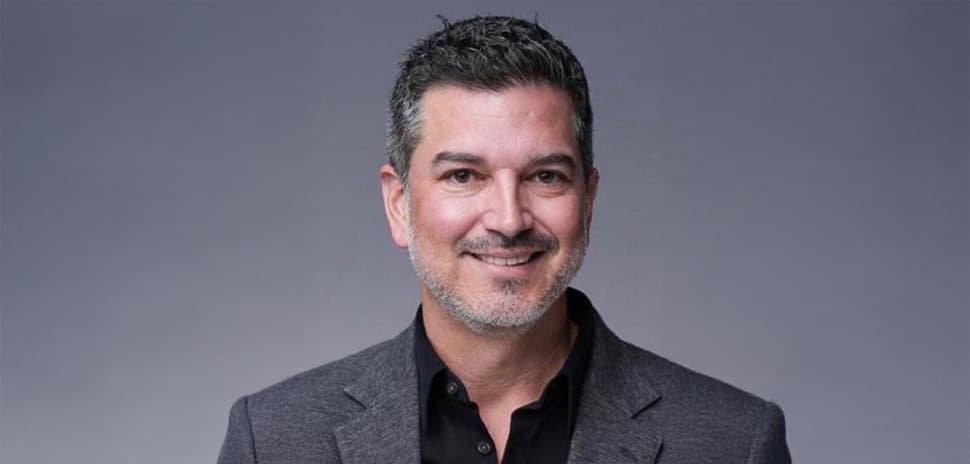
In this episode of Tech Talks Daily, I speak with David Cantu, CEO of Craftable, about AI restaurant back-office technology, margin intelligence, inventory management, purchasing, invoice automation, and the continuing importance of human hospitality.
David has spent decades working in restaurants and technology. He describes an industry dealing with staffing difficulties, rising leases, food inflation, lower traffic, and relentless margin pressure. David cites a National Restaurant Association study indicating that 40% of restaurateurs were not profitable during the previous year.
Craftable connects purchasing, recipe management, inventory, accounting, sales data, and analytics. The company says its platform is used by over 10,000 restaurants, hotels, and venues.
David argues that useful hospitality AI should automate the work that keeps managers, chefs, and operators away from guests. This includes producing sales forecasts, suggesting orders, planning preparation, identifying invoice anomalies, and comparing projected labor with actual requirements.
The conversation becomes particularly practical when David describes a restaurant receiving a ribeye that has increased in price by 20%. If the dish is a popular, high-margin menu item, that vendor increase can quickly reduce its profitability.
Craftable's Invoice AI can detect the change when the invoice is received. The operator can then consider running a higher-priced chef's special, promoting another steak, reviewing the menu price, or adjusting future orders. Waiting until month-end reconciliation would explain the lost margin but leave no opportunity to recover it during service.
We also discuss the difference between AI intelligence and operator knowledge. AI can examine large volumes of information, but an experienced restaurateur understands the atmosphere, the team, the guests, and what is happening at that particular moment.
David believes AI recommendations need to show their work. Managers should be able to inspect how a sales forecast, suggested order, staffing plan, or trend was calculated. Transparency helps people assess the recommendation without forcing them to search through another large analytics report.
Craftable is also testing how to measure whether a recommended action produced a result. If a manager coaches a server with unusually high complimentary items or promotes a menu category with falling attachment rates, the platform can examine whether that action affected sales or margins.
David is skeptical of hospitality AI added as a promotional layer without being built into the daily workflow. At industry conferences, he has seen vendors attach language models to existing products while offering little operational value.
His hope for restaurant AI is highly human. He wants technology reducing administrative pressure while employees welcome guests, serve meals, develop their teams, and create the warm experiences that define hospitality.
Which restaurant decision could protect profitability if the operator received the right information before the next service began? Listen to the episode and share your thoughts with me.
Useful Links
Connect with David Cantu
Learn more about Craftable
[00:00:00] - [Speaker 0]
Your agentic AI might not be secure even with real time data and proper guardrails, but Denodo makes sure your business has every avenue covered. By placing all your data platforms under one AI data layer, your business can reach semantic consistency safely and securely. So get your agents on the same page by visiting denodo.com, And you can learn more about how to start trusting your agents to make business decisions. When was the last time you walked into a restaurant and hoped AI would be serving your dinner? Probably never.
[00:00:44] - [Speaker 0]
Why? Well, because we all want a warm welcome, great food, attentive service, and people who genuinely care about that experience. That's why we leave the house. That's why we go out for a meal. But behind the scenes, many restaurants are fighting rising costs, staffing challenges, and margins so tight that one unexpected price increase could wipe out the profit even on their most popular dish.
[00:01:12] - [Speaker 0]
And after watching The Bear for five seasons, it's become a topic that I'm incredibly passionate about. And today, though, I'm bringing not a fictional character. I'm bringing David Cantu onto the podcast. He is the CEO of Craftable, and he's gonna join me and explain how AI can handle more of that back office work, but also give operators information that they can act on before any money is lost. And ultimately, help people spend less time staring at spreadsheets and more time creating the hospitality experiences that keep us coming back.
[00:01:47] - [Speaker 0]
So, yes, this is a tech podcast talking about a tech topic in the restaurant industry, but as you'll quickly find out, it's very human story at the heart of everything we talk about today. But enough for me. Let me introduce you to David right now. So thank you for joining me on the podcast today. Can you tell everyone listening a little about who you are and what you do?
[00:02:11] - [Speaker 1]
My name is David Cantu. I'm the CEO of Craftable. Craftable, we we focus on back office for restaurants and hotels doing all food and beverage. So everything from procurement, recipe management, inventory management, and the insights that drive profitability through margin intelligence.
[00:02:31] - [Speaker 0]
Well, thank you for joining me today. One of the things I try and do every day is get people thinking differently about the impact of technology on every aspect of our lives and often areas that we don't automatically associate with technology. And you're someone that's worked both on the technology side and also the operation side of the restaurant business. So I've got to ask, when you walk into a restaurant today, what are the the biggest pressure operators are are dealing with right now, and and where can technology genuinely help? What you you someone because you've been on both sides.
[00:03:04] - [Speaker 0]
I'm curious where you see where tech can make a real impact here.
[00:03:08] - [Speaker 1]
You know, I I would say that, you know, staffing has always been one of the the greatest challenges, but that just it exists with almost every restaurateur out there finding and and retaining the top talent. Pressures of today, especially during these economic conditions when there's a down economy, margin pressure is significant. And I would say probably even more significant coming off even the tail end of COVID. A lot of brands today have survived through some of the toughest times, but inflation has gone up, leases have gone up. It's more difficult be able to compete in a market that's still continuing to expand.
[00:03:54] - [Speaker 1]
Every brand is seeing traffic erosion. And here in The US, we've seen it 2% per year since 2016. So every restaurant that opens will see a 2% decrease. And what everybody is focused on right now is just survival and trying to make the margins work. So I would say right now the biggest pressure, you know, make payroll.
[00:04:24] - [Speaker 0]
Yeah.
[00:04:25] - [Speaker 1]
Keep the doors open. There was a research study with the NRA last year that 40% of restaurateurs were not profitable.
[00:04:34] - [Speaker 0]
Wow. I think incredible figures for the wrong reasons there. And when it comes to technology, we hear about AI in everything. It seems to be the the big silver bullet, or it's sold that way by many, providers. But when we hear about AI in hospitality, there's there's also plenty of skepticism and for good reason there.
[00:04:53] - [Speaker 0]
So from from your perspective, what is it that separates meaningful AI from just marketing hype in the restaurant industry? You've probably seen a few not so great solutions out there, but what are you seeing?
[00:05:07] - [Speaker 1]
You know, I think on the marketing front, we've seen there's been a lot of success with AI. With with regards to operations, you know, this is something that's still evolving. You know, when you think about operations, it's high touch. You wanna, you know, be in front of guests and the execution is is necessary, which requires people, human beings that are passionate about cooking incredible meals or providing hospitable service. So, you know, it where I see AI working is automating the things that they shouldn't be doing that allows them to focus on that guest as well as the development of their team members.
[00:05:48] - [Speaker 1]
And for us, where we see seeing the success is the automation of the back office. And what I mean by that is the ability for AI to, through multiple models and scenarios, develop a strong sales forecast trend based on historical data. And also inputs that historical data that may not be able to capture through a workflow that is automated to, you know, interact with a manager to have inputs and then drive a suggestive ordering, suggested prep and production, as well as suggested staffing plan. When we can automate those things that don't require them to dig through analytics or build out spreadsheets, being in the office, that's where I see the success occurring. When you can have AI comb through all your purchases and highlight any anomalies in a price change or a pack size change that impacts margin from plate margins or drink margins and highlight that at the time of receivable, it allows managers and chefs to be able to react at the moment versus waiting for an end of month reconciliation where the money's already gone.
[00:07:10] - [Speaker 1]
They have nothing to you know, nothing that they can do at that point in time other than trying to figure out what they're gonna change or do going forward. So this is where I see the success of it, allowing them to do what they love to do. I got into the restaurant industry because I love to serve, love to provide hospitality, love to fill a warm friendly environment where people aren't scrambling.
[00:07:34] - [Speaker 0]
Yeah.
[00:07:35] - [Speaker 1]
And, you know, that's really you know, that's our goal to to do all the things on the back end that they don't enjoy doing, the business side, to where they can remain profitable and provide a you know, the the type of business that brings the guests back again and again.
[00:07:50] - [Speaker 0]
And I think when talking about AI, we also have to talk about the human element and not sacrificing that at all. Traditionally, restaurant managers have always relied on their instinct and their experience. So how do you see AI complementing those instincts rather than replacing them?
[00:08:07] - [Speaker 1]
There's a difference between when I think about AI as the intelligence. I mean, you can get vast information. A restaurateur has knowledge.
[00:08:16] - [Speaker 0]
Yeah.
[00:08:16] - [Speaker 1]
So they can they can sense things. They they have a greater feel for what's going on that can impact the environment. AI can comb through the data. And but things happen, you know, at the moment of. And somebody that is knowledgeable, you can't take that away.
[00:08:37] - [Speaker 1]
We're trying to build in elements of best practices when certain things occur to provide suggestive options for those that are less experienced. Here in The US, what we saw, there was a lot of experienced restaurateurs that have moved on to other industries. Because during the pandemic, not there wasn't there wasn't a safety net for them. So many of them were left on furlough or without a job. And many took to different industries.
[00:09:11] - [Speaker 1]
So we find ourselves with less skill on the operations side, on not only on the hospitality side or the culinary side, but really on the operations of really running the business effectively and keeping the doors open. So we're trying to take what we know and have the knowledge that we have as restaurateurs, having run restaurants for almost two decades myself. Things have to be very practical when you approach the technology. Mhmm. And when it comes to AI and when it comes to providing datasets, you have to be able to show your work and allow them to be able to understand where that ember was derived from.
[00:09:58] - [Speaker 1]
So we're really big about showing the work to be able to double click on to a trend line and allow them to understand that this is information that is, you know, accepted when they can see where the number was derived from. A sales forecast trend should show how it was derived, as well as a suggestive ordering or prep and production or even an optimal plan for labor. When you can provide that level of of detail without overwhelming them, it starts to become accepted.
[00:10:36] - [Speaker 0]
And when we're looking at solution mode or turning things around here, one of the things that I saw before you join me on the podcast today is that one of the things in your recent webinar was about acting during service rather than after it. So can you explain what that looks like in practice and why timing can make such a difference too?
[00:10:58] - [Speaker 1]
An an example could be that, you know, on on your back dock, you are receiving a specific item. Let's just say it's a it's a I I love to use a rib eye because I love rib eye steaks. Oh. Let's just say you got a rib eye and it's your top selling dish. You know, we consider that on the menu engineering a star.
[00:11:17] - [Speaker 1]
It's one of your highest selling dishes, one of your highest margins. But let's say that that vendor had a 20% price increase. Upon receiving, you know, with what we call invoice AI, it's invoice management and AP automation. It's a snapshot of an invoice. It scans that invoice.
[00:11:37] - [Speaker 1]
It will capture at the moment of that that rib eye has now increased in price, which is gonna reduce your margin. And what was once your star is now impacted to where you you realize you're about to lose quite a bit of money. A suggestive action could be multiple actions. One, I we could suggest build a chef special with the rib eye that allows you to command a higher price and cannibalize that rib eye that's on the normal menu. Two, it could be to suggest to run a server contest on selling the fillet.
[00:12:18] - [Speaker 1]
Or three could be change your price. Now changing your price isn't that easy at the moment of. You have to change your website, your menu, as well as update your point of sale. So there's a lot of actions that occur in there, but at least it allows some knowledge and understanding that you're about to be impacted financially. That's what it would look like in practice.
[00:12:40] - [Speaker 1]
Or it could be communicating that your attachment rates for appetizers has declined week over week by 30%. You could run a contest, as well on those things. So there's just little moments to where it allows an operator to understand what is craftable scanning in terms of voids, comps, sells, purchases, and what insight that's actionable for that day is high impact, then I can make a change or a decision now that I have the information at hand.
[00:13:19] - [Speaker 0]
And the margin pressure that you mentioned a few moments ago, I think that remains a constant challenge across hospitality, and many people listening will be nodding their head with an agreement now. So so much of what you said will resonate with them. But when we're looking at technology here to to maybe ease the burden, how can real time visibility into things like costs, waste, staffing, and sales, how can all these things help operators maybe protect some of that profitability without compromising the guest experience? Because I know it is a big balancing act, it feels like there could be an opportunity here too.
[00:13:53] - [Speaker 1]
Absolutely. If you think about it, I I like to look at Craftable as like a bunch of bookkeeping agents just running in the background that are serving up, you know, bite size information that's digestible for somebody jumping on a shift. So if I walk on a shift today on a restaurant that doesn't have this information at hand, you think about a few things. What does my reservations look like? Do I have any special guests coming in?
[00:14:24] - [Speaker 1]
You know, what do I need to order? You know, I I scan, you know, the the kitchen to determine if I have everything. But none of that is provided to you. You have to go and look and see and review. You know, when you think about the restaurant tour today, they don't have an insights team helping them.
[00:14:46] - [Speaker 1]
Now they may have a business intelligence platform or an insights platform or a report, but let's face it, managers don't wanna go pull analytics or report. That's that's just not what they do. But if it's a simple insight that's drawn up when they log on to find out what are what are where do I stand today in terms of my projected sales versus my actual my projected versus actual labor? And what are the bite size information that I'm receiving that I can do something today? It might be that, you know, Neil has high comps, and it's recognizing that Neil has high comps.
[00:15:29] - [Speaker 1]
And, you know, I may wanna approach you, Neil, and say, hey, Neil, you've been having high comps. Let's make sure that we're double checking many orders when we're calling it back to customers because we noticed a lot of these are miss rings. There's just little moments like that that are served up that we think about all aspects of everything that comes from the point of sale and everything that comes off of an invoice. And any invoice now, this isn't just food and beverage invoices. This is your utilities, your linen, your paper goods to go supplies.
[00:16:06] - [Speaker 1]
It could be, you know, specific other services, your cleaning supplies. When, you know, we serve up any information that allows managers to immediately say, along the things that I'm normally doing pre shift, there's some other things that I need to be wary of on the shift that impact either margins or sales. Another example I can give on the sell side is, you know, we have all the information of everything rung in by every server and every bartender, so it's a bit of a digital footprint Mhmm. To where we know the exact attachment rates of any appetizers, desserts, entrees, non alcoholic beverages over waters, bottles of wine over glasses of wine to where you can understand every team member and provide suggestive action on improvement when they're under a baseline average. So I would just, you know, for us, not to overwhelm them, but it's just spoon feeding the information that they can each action, what's gonna impact margins, what's gonna impact top line.
[00:17:17] - [Speaker 1]
Those little actions daily for each server or working in the kitchen helps drive better margins and greater top line. Those are the things that we looked at providing them so they can take action that day or not. And if they choose not to, you know, it it it will show in the numbers. But we we we are also testing out the measurement of this that they took an action to where we can start to determine whether that action moved the needle on that margin for a specific item or specific plate or utility, you know, because these utilities have gone up as well. When you when you recognize that you have a higher bill or higher usage of, you know, certain gallons or metrics, you're gonna you're gonna do something to fix that.
[00:18:10] - [Speaker 0]
And at Craftable, you work with thousands of hotels, restaurants, and venues. And I'm curious from everything that you're seeing there, are there any common patterns that you're seeing amongst businesses that are maybe outperforming their competitors right now? What what are they doing differently?
[00:18:26] - [Speaker 1]
You know, I I think one, it's hard to say that we impact culture. There's we just naturally work with really really great and strong brands that have great culture, that have great discipline, not just on the guest experience and the the team member experience, but on profitability. You know, what I've recognized is we started with that. We started with high end bars and restaurants. And you see a pattern to where, you know, those managers, those chefs, those, you know, they go from one brand to the next.
[00:19:00] - [Speaker 1]
They tend to stick to their own. I would say that the pattern that we're seeing is these top performing brands outperform because they focus on the fundamentals of hospitality and great culinary experiences. And they have the discipline, the financial wherewithal to truly understand what moves the needle on top line sales and margins. And with that, for brands that don't have those disciplines and are really looking to provide it, it requires great leadership or it requires great resources to be able to provide the information necessary to take action. But accountability still has to be set in place for those things.
[00:19:46] - [Speaker 1]
I'd like to believe that we give the information to help with that accountability. I would say that each brand is a little bit different, you know, based on the leadership and what's important to them on whether or not they see that success. But one thing that we're seeing in the pattern with all of them now, no matter what, whether it's quick serve or limited service hotels or fine dining or, you know, premium boutique hotels, every single one of them is feeling the pressure of the margins.
[00:20:17] - [Speaker 0]
And before you joined me today, I was also reading that you attended the High-tech Conference recently. And was it like every other conference out there? It was all about AgenTek AI, or were there any more helpful things that particularly stood out to you, especially around tackling some of those margin issues we've raised today?
[00:20:35] - [Speaker 1]
You know, I went to the NRA show, and everything was AI. Every booth, it was almost overwhelming. But it was also disappointing because not a lot of it was really additive, an add on, or an API into an LLM. Yeah. It wasn't really truly built within the workflow.
[00:21:00] - [Speaker 1]
It was overdone in marketing. Hi Tech was a little bit different. It wasn't they it didn't seem to be all about AI specifically. It's a little bit smaller of a network. It it's a little bit closer.
[00:21:16] - [Speaker 1]
It this was my first Hi Tech, by the way. I've I've been on the rest side for thirty five years. So it it was nice to see. There is this level of hospitality that is seen. Not as big though of an industry as the the restaurant association here in in The US specifically.
[00:21:35] - [Speaker 1]
But not as much AI thrown all over the place. We saw with our our restaurant patrons.
[00:21:42] - [Speaker 0]
And looking ahead, what do you think that restaurant of the future will look like? And what kind of decisions will always require human judgment no matter how sophisticated AI becomes, whereas that human element still need to remain. What makes you hope hopeful as well about the the future of the restaurant industry considering those margins?
[00:22:04] - [Speaker 1]
You know, the the there there will always be different we have defined so many different segments within the industry, and and it really has become around experience or convenience. The convenience factor I think has impacted the the experience for a lot of brands that I grew up, you know, loving. And and they're not the same anymore.
[00:22:29] - [Speaker 0]
Yeah.
[00:22:30] - [Speaker 1]
What I hope for is that, you know, AI doesn't take over everything. It's a very, for me, it's personal. I love a good experience. I think things are generational though, and things change. You know, I hope that there's not a lot of change other than profitable, successful businesses, you know, that are flourishing and still have a high touch.
[00:22:57] - [Speaker 1]
You know, I love it when somebody picks up the phone versus an AI agent or a bot. I love being greeted with a smile. I love being served, you know, you know, a hot meal with someone that's attentive. I wouldn't want it to be done by a robot or anything else. So I guess I'm a little bit old fashioned or a little bit of a, you know, just that I hope that it it stays this special, hospitable, human led industry that, you know, has made it so successful.
[00:23:30] - [Speaker 1]
And you know, what I hope for for AI, it just allows the humans to interact more, engage more, and not worry about the pressures and the stresses of margins. You know, those are the things that I hope for. Are they gonna they're gonna be smaller, though. I think, you know, we've seen that. And I come from Texas.
[00:23:50] - [Speaker 1]
Everything's bigger in Texas. Most of these restaurants are eight to 12,000 square feet, and we are starting to see that footprint really start to reduce. Because they are still there's the growing trend of the off premise, and I think that's around to stay. Again, I think a lot of that it's not just generational. Some people just prefer not to be around crowds and probably prefer to be delivered to their doorstep, whether that's by a person or by what seems to be growing to where they're falling out of the sky and dropping them off at your front door.
[00:24:26] - [Speaker 1]
You gotta evolve, you know, with the drones.
[00:24:31] - [Speaker 0]
I love it. Well, today, more than 10,000 hotels, restaurants, and venues use Craftable's business intelligence and AI tools to analyze everything from purchasing, labor, recipe, ingredients, sales data, everything in real time and enabling that smarter decision making there. But listening to you today is not even a tech story, this one. It's that passion for human led, hospitable experience. And for anyone listening where your words would have resonated with them today, especially around margins, etcetera, where can they find out more information about Craftable's announcements coming out, connect with you or your team?
[00:25:08] - [Speaker 0]
Where would you like me to point them?
[00:25:11] - [Speaker 1]
Www.craftable.com. And we have displayed the actual application that you'll be able to to see on the homepage to where a lot of companies mask the actual technology behind words or behind cartoon figures. We're actually displaying the technology to where they can see, you know, some of the insights as well as the agentic capabilities to be able to ask questions of what are the top 10 items that have seen the the highest increase in price over the past two months to where they can serve it up. So that's exactly where they can go and learn a little about us and learn a little bit about our software, plenty of case studies as well.
[00:26:00] - [Speaker 0]
Well, one of the many things I love about our conversation today is you've spent years in restaurant technology and also the hands on experience as an operator, and I think this gives you somewhat of a a unique hands on perspective of the challenges that hospitality leaders are navigating right now and talking about the solution, the technology, but it's not about noise and buzzword. I think your passion for the industry really shines through today. So I will add links to everything that you mentioned there, and I would encourage people listening to check that out. But more than anything, thank you for shining a light on this today and talking about it all in a language that everyone can understand. And I think we all crave those human led catering experiences or restaurant experiences.
[00:26:43] - [Speaker 0]
So thank you for sharing that today.
[00:26:45] - [Speaker 1]
Thank you, Neil. Appreciate you having me on.
[00:26:48] - [Speaker 0]
I think today's conversation was a very welcome reminder that the best use of AI in hospitality might be making technology less visible, not more. And I love how David explained how AI can spot rising ingredients costs, forecast demand, improved staffing decisions, and serve up practical insights, all while there is still time to act and make a difference and stop it affecting those incredibly tight margins. But I think what stayed with me more than anything was his hope that restaurants remain human led places where we're greeted with a smile, served by people who genuinely care so that we all are made to feel welcome. So, yes, if AI can take care of more paperwork, spreadsheets, and margin pressures, Hopefully, hospitality teams can spend more time with their guests. And if that happens, that's gotta feel like progress worth getting excited about.
[00:27:47] - [Speaker 0]
But I'd love to hear your thoughts, especially if you work in this industry. As AI becomes more common in hospitality, where are you going to draw the line between useful automation and protecting that human experience that makes restaurants so special and as consumers, what we all crave more than anything? But let me know. Techtalksnetwork.com. Please send over your thoughts and experiences, and I'll be back again tomorrow with another guest.
[00:28:16] - [Speaker 0]
So thanks for listening today. Bye for now.