

What happens when leaders are confident about AI, but the people expected to use it are not ready?
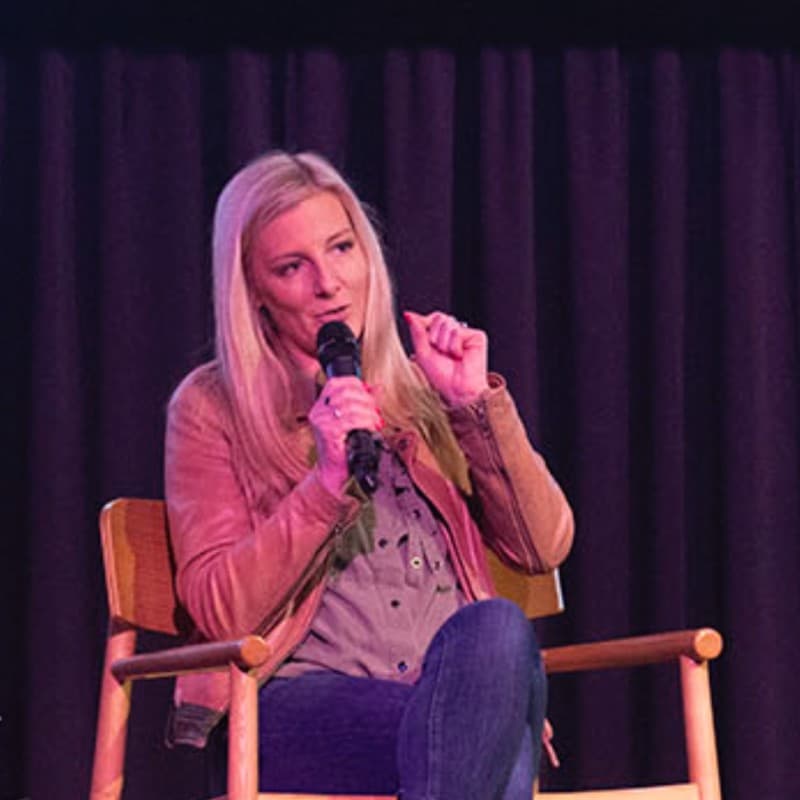
In this episode of Tech Talks Daily, I sat down with Caroline Grant from Slalom Consulting to explore one of the most persistent tensions in enterprise AI adoption right now. Boards and executives are spending more, moving faster, and expecting returns sooner than ever, yet many organizations are struggling to translate that ambition into outcomes that scale.
Caroline brings fresh insight from Slalom's latest research into how leadership, culture, and workforce readiness are shaping what actually happens next.
We unpack a clear shift in ownership for AI transformation, with CTOs and CDOs increasingly leading organizational redesign rather than HR. That change reflects how deeply AI now cuts across technology, operations, and business models, but it also introduces new risks.
Caroline explains why sidelining people teams can create blind spots around skills, incentives, and trust, especially as roles evolve and uncertainty grows inside the workforce. The result is what Slalom describes as a growing AI disconnect between executive optimism and day-to-day reality.
Despite the noise around job losses, the data tells a more nuanced story. Many organizations are creating new AI-related roles at a pace, yet almost all are facing skills gaps that threaten progress. We talk about why reskilling at scale is now unavoidable, how unclear career paths fuel employee distrust, and why focusing only on technical capability misses the human side of adoption.
Caroline also challenges assumptions about skill priorities, warning that deprioritizing empathy, communication, and change leadership could undermine effective human-AI collaboration.
We also dig into ROI expectations, with most UK executives now expecting returns within two years. Caroline shares why that ambition is achievable, where it breaks down, and why so many organizations remain stuck in pilot mode. From governance and decision rights to culture and leadership behavior, this conversation goes beyond tools and platforms to examine what separates experimentation from fundamental transformation.
As AI becomes a test of leadership as much as technology, how are you closing the gap between vision and execution within your organization, and are you building a workforce that can keep pace with change rather than resist it?
[00:00:03] What happens when leaders are more confident about AI than the people that they expect to use it every day? This is one of the things I want to cover in today's conversation, and I've got the perfect guest to talk about it with. Her name's Caroline Grant. She's from Slalom Consulting. And together, we're going to try and unpack what's really happening inside organisations as AI moves from promise to pressure.
[00:00:31] And Caroline works with executive teams across the UK and beyond, helping them turn technology and ambition into something that actually works in practice and delivers measurable value. But what she's seeing right now might be enough to make some leaders pause on what they're doing, because investment is rising, expectations are accelerating, the C-suite, they want fast results,
[00:00:55] And yet employees, they feel underpowered, uncertain, or maybe even quietly sceptical about what does AI mean for their roles. So in today's episode, we'll talk about that noticeable leadership shift with CTOs and CDOs now redesigning organisations around AI, often well ahead of HR and people's teams.
[00:01:19] And what I really want to hammer home today is why that matters, where it helps, and where it can create blind spots. And Caroline will also be sharing fresh insights from the Slalom's latest research, including why AI is creating new roles faster than it is removing old ones. And why skills gaps, yep, they still remain stubbornly high. And why culture and management behaviour matter much more than any new shiny tech tool or platform.
[00:01:49] So if you are a business leader trying to move beyond pilots, beyond enthusiasm and hype, and into real outcomes that your people will actually feel proud to support and make a big difference in the business, will hopefully help you rethink where to focus next. But that's enough from me. It's time to get Caroline onto the podcast now. So thank you for joining me on the podcast today.
[00:02:16] Can you tell everyone listening a little about who you are and what you do? Thank you for inviting me. It's great to be chatting. My name's Caroline Grant. I work for a company called Slalom. They're a business and tech consulting that bring together technology and humanity to create great results for businesses, basically. And I'm actually based in the Northwest. So I live on the Northwest coast.
[00:02:43] I work out of our Manchester office. I run our business there. And I've also got a bit of a UK role as well. So I run for our UK business, sales, our relationships with big technology alliance partners, marketing and all the work we do in managing client accounts. So enough to keep me busy, basically. And I guess I'm talking to you today because we do a lot of tech and business transformations for businesses.
[00:03:12] And then obviously in the last few years, that has turned a lot to talking and implementing AI as well. So that's me. Well, one of the things I always say on every episode is technology works best when it brings people together. And listening to you there talk about bringing tech and humanity together ticks all the boxes for me and why I invited you on here.
[00:03:34] And when I was doing a little research on you, I quickly learned that you describe a clear leadership shift where CTOs and CDOs are the ones driving AI transformation now rather than HR. So I've got to ask, what is it that you think that is behind this change and how does it alter how organisations are redesigning work and decision making? Because it feels like quite a big shift. It is a big shift.
[00:03:58] I'd say, yeah, there's definitely a reality in that that's happening. Now, whether that's the right thing, that's another thing altogether. So I think that particular point has come from some research that we've done recently.
[00:04:13] So as a company, we surveyed 2000 leaders, not just in the tech space, but leaders in business at the C level and below around their experiences and thoughts and I guess concerns about AI. And so that that basically narrative and statistic has has come from that research, which was really interesting and enlightening in a number of ways.
[00:04:41] But I think it was something like and I'll just have to remember the statistic. I think it's about 55 percent of leaders believe that it's the CTO and CDOs that are driving like transformational change and agendas. So that that feels like it's probably the reality because gone are the days of old tech implementations.
[00:05:07] I think everyone's feeling that it's no longer, you know, tech is with IT because of AI, because AI involves every part of the business. So it's changing people's roles and metrics and how they're incentivized. So that's kind of the HR agenda. It's changing, obviously, from a tech perspective. You're looking at the architecture, the data platforms. That's the tech aspect.
[00:05:35] But it's also the business aspect as well, because they're the ones like finding the value, driving the processes. AI is bringing all of those elements together in transforming the business.
[00:05:48] And because the CDOs and the CTOs are still seen as, you know, the main vanguard and drivers of tech, that by that nature, also having to think about, you know, what the impact is on people, on roles. And they're kind of taking that mantle on themselves. I would say that that is a morphing and a shifting, but it's also a bit of a blind spot, right?
[00:06:16] So I think 19% say HR are responsible for the organizational redesign nowadays when you're looking at transformation. So only 19% are saying that HR is involved at all. And that, for me, is a bit of a blind spot and something that calls out that we need to move those two elements closer together.
[00:06:40] Because, as we said at the beginning, like any kind of tech transformation, there's that human element. And if we're not getting the professionals involved in, you know, what does jobs look like? What do jobs look like? What do incentives look like? What are the career paths? Then if we can't carry on this track, then we're leading to a bit of a gap in that. So just to summarize, we are definitely seeing that.
[00:07:07] That's the feedback that we've got, that CTOs and CDOs are playing more of this people element. My only caution is, should they be? Are they the right people to? And actually, should there be a more move in which we bring HR and IT closer together? I mean, I remember Moderna was in the headlines not that long ago for being one of the first to kind of morph together their HR and their IT functions completely.
[00:07:34] So question, you know, should that be the way that we're going towards? That's a great shout. I mean, it's a huge blind spot, as you mentioned there, especially when we're talking about AI changing roles, changing architecture, the business aspect as well. And I would think that HR are needed more than ever in things like reskilling, remapping career paths, etc. And especially when you look in LinkedIn news feeds or, in fact, wherever you get your information online, there's a lot of scary stories there.
[00:08:03] So, Slalom's research, maybe unsurprisingly, points to what you call a growing AI disconnect between executive confidence and workforce readiness. And I think that's something that we all see. But what does that gap look like inside organisations? And why is it proving so hard to close? Is it that low HR figure that you mentioned or something else? I think it's so, yes, you're right.
[00:08:30] There is a growing deficit when that was supported by the research that we did in that, you know, CEOs are very positive about the transformation that AI can bring and the return on investment. And that's kind of indisputed.
[00:08:47] I think when I compare it to research that we did right at the beginning back in 2023, where people were still figuring out whether this buzzword of AI was going to stay around and they were really kind of reticent and not and just waiting how it would transpire and how these things would ride out. Now there's a reality to it. And people have been seeing the benefits that this can bring.
[00:09:14] So CEOs are seeing the benefits, seeing where their business can go and excited by it. But then there's the reality in the organisation of, you know, how do we implement that? And back to the point, because it's not just technology, because you're having to evolve the workforce, then, you know, there is a bit of a gap. 94% of the respondents say they have workforce challenges in being able to respond to the AI transformation.
[00:09:43] So I think to your point, yes, there's a bringing together of all of the business around these challenges that needs to be done. Where we've seen success is where companies have kind of adopted like a cross-functional AI council, where you're bringing together areas of the business through legal, finance, HR, technology together to try and kind of solve these problems.
[00:10:08] The difficulty is if you don't take people on the journey of AI transformation with you, then you do end up with this gap of reality and being able to implement the value that you're seeing. And although there is that well-documented fear around AI replacing jobs, your data does show many organisations are creating new AI-related roles and evolving the workforce.
[00:10:36] But I've got to ask, how do you reconcile that optimism with the reality that most companies still face those major skills gaps? And I suppose if we look back 20 years ago, there were so many different job roles that are not there and roles that exist today weren't around. A podcaster, for example, didn't exist 20 years ago and cloud architects and things, you know?
[00:10:57] It's such a good point. And I remember even like pre-2023 and 2023 for me is like the pivotal time when Gen AI exploded onto the scene. And I say exploded onto the scene because we know it was already there, right? But it was in the hands of users and basically transformed how we consider AI and why that's so prominent in our thoughts right now.
[00:11:20] So even before 2023, people were saying, I remember looking at research from one of the recruitment houses saying, you know, 70 or 80% of the jobs by 2030 don't exist yet. And to your point, podcasters, you know, social media leads in business, community leads in business. We didn't have that data scientists, user experience kind of team members and leads.
[00:11:50] None of those roles existed. And so we're kind of used to the ambiguity that change in technology brings. I guess the fact is that the speed in which this is happening means there is a gap forming in terms of people's trust on where they fit. So to your point, you asked about the link to jobs and losing jobs.
[00:12:20] I think it's not so much a fear that there won't be jobs. It's understanding where the human now fits in those jobs.
[00:12:30] And so I think there's just a lack of clarity on what AI means for future jobs and what they look like and not being able to give people the specifics on how their job changes or what new jobs are available in the right way is where the fear and mistrust often comes. I know we've got a tool within our organization, Enhancer EQ.
[00:12:59] And that basically works with organizations to look at all the jobs and the roles and the tasks they have, understand where AI could and should be used, and then helps understand, okay, what are the jobs of the future? And how does our organization start to map that?
[00:13:17] But it's not an exercise that many companies are doing on proactively thinking what the future looks like in terms of job creation and how do I evolve my organization from point A, point B? And what does the capability gap that we need to fill look like and how do I fill it? Yeah, and when we talk about the speed of change and knowing where you fit in the new workforce, this evolving workforce is incredibly daunting and overwhelming.
[00:13:47] But there is a huge opportunity here. 93% of organizations are reporting AI skills shortages. So where should leaders realistically be focusing their talent and training efforts, especially if they want adoption to stick? Because it's not just tech skills, it's the cultural fit as well and the different mindset too, right? I think that's super important.
[00:14:10] And look, I think it's two speed in terms of the kind of skills that they need and capabilities they need to be focusing on. There is the technical perspective in terms of getting people's AI knowledge and enablement up.
[00:14:29] So within the whole organization in terms of how you're enabling your organization to embed and understand and use AI, because it's not, I mean, even in the simplest AI technologies, you know that it's not just implementing tech and using it. It's a whole way of working and a whole, how do I approach my working day that changes.
[00:14:55] So there's an AI understanding and enablement of the organization that needs to happen, which a lot of companies are doing. They're doing, you know, basic AI training, introduction to AI, like how do I enable my workforce to use it? There's the developing of the technical skills, right? So you need those technical capabilities within your organization.
[00:15:21] So we are seeing lots of people hiring for AI type roles. And that is obviously a fairly specific skill set that's coming out of the education system, but also being developed within current workplaces. You know, these are data scientists that are leaning in. You know, these are, you know, data professionals in most cases that are, you know, pivoting their skills and focusing on AI now.
[00:15:49] So there's a pivot of skills based on, you know, current capability that's within the organization. But a big part of this that you alluded to that we need to focus on, right, is the human part. And some of our research showed some, well, I guess some blind spots again, which we need to figure out across organizations and probably across society.
[00:16:16] Because while leaders were saying some of the key skills that they were looking for in terms of being able to dry a transformation with critical thinking, which completely makes sense, right? And making sure that we have the ability to question what we're doing and what AI is throwing out there. But what was really quite low on the list was empathy.
[00:16:40] And that is, for me, is an indicator that we need to focus on that, right? Because if you are not building or involving the human element within your AI program. So if you haven't got people that are focusing on what the CX needs to look like, on making sure that there isn't bias in your data models,
[00:17:06] and making sure that you are creating the right value from an AI perspective, and creating that human empathetic element, then no one's going to be using the technology. So I think that was something that flagged to me as a bit of a call out that we need to keep an eye on. And then communication was down as well.
[00:17:30] And that worries me because if we're not actively communicating or getting really good storytellers and communicators in our organizations, again, no one's going to be using the technology. And there's going to be a build of a mistrust as well if we're not clearly communicating impacts, what it means for people, how people are going to have to evolve to adapt to using AI, if that makes sense. 100% with you.
[00:17:59] And if we go back, what, three years ago when Gen AI arrived on the scene, many businesses jumped on the bandwagon. They went tech first instead of problem first. Two years later, many were struggling to find ROI on their investments. And we've seen so many examples of that. But now here in 2026, many executives have got a much stronger focus on ROI. Many saying that they expect to see returns on their AI investments within the next two years. So from what you're seeing, how realistic are those expectations?
[00:18:30] And what tends to break down when ROI timelines become too aggressive maybe? I think we're totally right to be optimistic in getting two-year return on investment. I think that is ultimately achievable. And the testing, what's out there in terms of use cases and what people are piloting around AI usage
[00:18:56] and what that can bring in terms of direct value to their business is real now. Back to, let's call it Gen AI gate that you talked about in 2023. We didn't know it then, but now enough time has passed that people have started to see that this is real and it can create true value. Where the caution is, is that only 39% of organizations are tracking AI ROI,
[00:19:25] even though 62% of them are saying that they expect returns within two years. So to me, there's a gap there. We need to be much more deliberate in organizations in understanding the business case for what we're trying to achieve and creating the right tracking and metrics in order to get there. And then to my points that I've made before,
[00:19:55] what tends to happen is getting in a bit of proof of concept kind of stagnation, right? I'm sure there'll be lots of companies and even people, individuals out there who have developed proof of concepts or pilots on an AI, one AI specific use case. And it's been amazing, but they're unable to scale that across the organization.
[00:20:21] And unless they do that and the scale involved in these POCs, then the value won't be realized. So again, it comes back to an organization that has sponsorship within their CEO, but also a combination and a cross-functional leadership that are going to be able to push some of these use cases and AI transformations forward across the organization.
[00:20:51] So you get out of this reality that people find themselves in just pockets of brilliance without being able to scale the AI value. So without the kind of setup to be able to enable that around governance and how you're organized, and then the ability to scale that and understand your return on investment,
[00:21:16] then you become in this kind of dangerous area of not being able to achieve those return on investments. We've got a great tool at the moment, an ROI calculator, and it's just helping companies to go through the process of thinking, okay, what are my use cases? Where am I going to get business value? How am I going to sequence how I develop these AI use cases so it makes sense?
[00:21:43] And have other companies seen return on investment in these? Because what we've gathered is, you know, the actualities and the realities from cross-industry businesses, which gives you the data on, you know, how much are some of these use cases really moving the meter. So we found trying to ask organizations to think upfront about, okay, you've got a great idea. You want to do some AI to achieve this. Like, what is the return on investment?
[00:22:13] How are you going to manage that? Which ones are you going to start with that make sure you get the best bang for buck quickest? So, yeah, it's been really good in terms of getting that conversation going. ROI calculator. I love that. I'll be adding a link to that on the show notes for sure. It's in there. It's in there on the website. Brilliant. And one of the other things that really stood out to me most in your findings is that AI has been driven more by culture,
[00:22:41] more by management than it is by technology alone. And I've seen this with tech projects throughout my career in IT. And very often people focus too much on the tech and not the culture. And that's why it doesn't get adopted. But I'm curious, what are the behaviors and leadership traits that separate organizations that are making progress from those that are still stuck in pilot mode and can't scale, can't get it out into production? What's the difference in those traits?
[00:23:09] I think I've touched on quite a few of those throughout conversation today, but I do think the differentiators now are creating that cross-functional ownership for AI across the organization, having clear mandate and a steer from a CEO that's bought in and willing to invest. Clear decision rights.
[00:23:37] Now, I've just said you want cross-functional ownership. And then I've said in the same breath that you want clear decision rights. Sometimes those two things don't go hand in hand. So you need to make sure that, you know, that is really clear up front in that there is clear decision making to be done. I think our reality in any tech transformation is the number of people that you're having to involve in a decision means that no decision is made at all.
[00:24:07] So clear decision making around AI is key. You need empathy-led change, right? You need to involve the people in your organizations on the AI journey and you need to be able to communicate and be transparent with them in terms of what that journey looks like, how it's going to impact them, what their role is and what you need from them as change agents.
[00:24:33] You need early governance and ethical reviews and you need integrated talent and an operating model design that makes sense. So I would say only half of organizations have an ethics board, for example, or an audit process. And kind of without those, AI can't really work.
[00:24:55] So I think leadership who managed to balance the speed of going forward with AI with responsible and empathetic work processes, they're the ones that are leading this charge and will be really well positioned for elevating business value going forward. And I've always thought that AI is great doing all that boring stuff
[00:25:23] and things like spreadsheets, for example. But I've always thought that human skills like communication, management, collaboration, innovation and empathy and so many different soft skills there are so important. In fact, more important than ever. That's the importance of the human in the loop there that we keep hearing about. But one striking insight from your research there is a growing emphasis on cognitive and digital skills, while the softer human skills that are often thought of being more important for AI
[00:25:52] are being deprioritized. So what kind of risk does that create for effective AI-human collaboration? Because it's not one or the other, is it? It's that coming together that's so important. Yeah, you're right. It's huge risk. I'm going to answer this really, really succinctly, which might surprise you after being very passionate about all my other responses. But the result is it won't work. Yeah. It just won't work. No one will use it.
[00:26:21] If you haven't thought about the human in the loop, technology won't work. Simple as that. And looking specifically at the UK and Ireland, lack of training and employee distrust, these all stand out as top barriers right now. So what should leaders listening be doing differently? If they finally want to make that move from AI ambition to sustained business value, what's that valuable takeaway that you would give them that they need to do, or at least start thinking about?
[00:26:51] I think back to that, the last point that we made is you need to keep the human in the loop. You need to keep, whether it's where we started the conversation around having HR and your people teams involved in the transformation. You know, that's a really key point. You need buy-in. You need people who have the right skills and the capability.
[00:27:18] And you need your employees and your workforce to be with you and behind the transformation. So if they're not involved in it, and if they're not considered in it, then you're going to be at a disadvantage. So I could give the textbook answer, which is you need the data foundation. You need the right architecture. And you need the ethics board. And you need the right governance.
[00:27:44] But back to the key, you need to focus on your people, that they have the right capabilities, that they're behind you, that you're enabling them and empowering them in every way, because they're the ones that are going to be using AI to get you to your business goals. And if you don't have them on board, then you will get there not very quickly. And I think that is a powerful moment to end on.
[00:28:09] And throughout our conversation, we've heavily referenced your research, talked about the ROI calculator, and also for people listening that want to find out more about that or just anything that we talked about, or keep up to speed with new announcements, connect with you or your team. Where would you like to point everyone? To our website is probably the easiest, slalom.com. And also on LinkedIn and other social media outlets. But that's probably the easiest.
[00:28:33] And I have focused on the research because that's kind of top of mind. But we do this. So we do the research, but we help organizations to embed technology so that they enable their organization and reach the business value they want. So, yeah, please go there. Go to slalom.com. Find out about us.
[00:28:58] We would love to hear from you and work with you to get to your business goals. Well, I'll have links to everything. So I'd urge anyone listening, check out the show notes. You'll be able to find everything that you need there. And we did cover a lot today from leadership shift in AI transformation, that disconnect that we're seeing. But ultimately, some good news there. AI is creating jobs, not replacing them.
[00:29:23] We are also seeing a need for a cultural and management-led transformation. And so many big insights. And I will, as I said, put links to that research there, some big stats, and also have a play with that ROI calculator. But more than anything, thank you for sharing your story today. Thank you. It's been great to be here. So where does all this leave leaders who feel the pressure to move fast on AI while knowing that their organizations aren't fully ready yet?
[00:29:53] And one of the things that stood out to me in my chat with Caroline there is that AI has become a leadership test before it can become a technology win. And the data shows confidence is high, budgets are growing, and expectations around ROI. Yep, they're getting tighter. But the key point here is without skills, trust, clarity, speed alone cannot deliver progress.
[00:30:17] And I think a lot of organizations still forget that culture often decides whether AI will get adopted or ignored. So deprioritizing human skills like empathy and communication, they could be quietly undermining everything leaders are trying to achieve right now. And Caroline shared there so many reasons why organizations are facing this distinct mix of training gaps and employee trust
[00:30:43] and offering a few practical steps that can help close that distance between ambition and execution. So if you are serious about turning AI into sustained business value, today's episode should be hopefully as a reminder that people remain the multiplier. Yep, tools matter, data matters, architecture matters, but leadership choices, but it's leadership choices and people that will shape their outcomes.
[00:31:11] As always, you'll find links on the show notes to Slalom's research and resources that we discussed today. And I'd love to hear your perspective. Are you seeing that same disconnect between leadership confidence and workforce readiness? Are you seeing these things in your organization? Or have you already found ways to bridge it already? Let me know. Pop over to techtalksnetwork.com, 4,000 interviews, leave me an audio message, written message, work with me. There's just about anything that you can think of there.
[00:31:41] Other than that, I'm going to be back in your podcast feed bright and early tomorrow with another guest. So let me know your thoughts and I will speak with you all again tomorrow. Bye for now. Bye for now. Bye. Bye. Bye.