
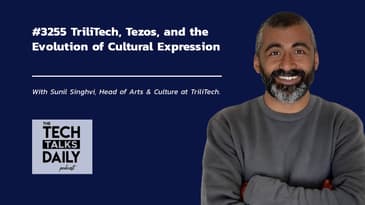
What stood out in our conversation is how Sunil views blockchain as a vehicle for restoring creative autonomy and rebuilding trust in the creator-fan relationship. Through compelling examples like Manchester United's Fantasy United game and McLaren's collectible-driven fandom, we explore how Tezos enables ownership, co-creation, and authentic engagement that outpaces traditional social platforms and algorithms.
We unpack the evolution of NFTs, moving beyond the speculative bubble of the past into more grounded use cases that offer tangible benefits. From supporting emerging artists through royalty-respecting marketplaces like objkt.com to enabling fans to co-create digital artwork through platforms such as editart.xyz, the conversation highlights a meaningful shift in how digital creativity is produced and experienced.
Sunil paints a future where fans become collaborators and artists regain long-lost visibility into who their supporters truly are. We also reflect on the power of community, where smaller and more engaged groups increasingly matter more than vast but disengaged audiences. And perhaps most importantly, we explore what happens when creative expression is no longer dictated by opaque systems but driven by transparent, decentralized tools.
Could blockchain finally deliver on the promise of a fairer and more inclusive creative economy? And if so, how can artists, brands, and everyday users participate in this movement without repeating the missteps of earlier digital revolutions?
Let us know your thoughts. Could Web3 be the reset button creative industries have been waiting for?