
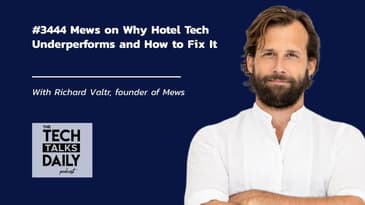
Richard shares the origin story of building for hoteliers as well as guests, and why the property management system should function like a central nervous system. He explains how automation handles the repetitive pieces of check-in so staff can actually look people in the eye and start a conversation. That’s the promise of AI here. Not gimmicks, but orchestration across bookings, payments, inventory, and service so the boring parts disappear into the background and the human parts come forward.
We also talk about underused tech. Richard uses a memorable comparison for many hotel platforms that have Ferrari-level capability but get driven like Volvos. The data is there. The intent to serve is there. What’s missing is the leadership confidence to rewire the stack, measure outcomes, and keep pushing. When that happens, hotels stop thinking only in terms of rooms and start monetizing the full journey. Daybeds, coworking passes, last-mile upgrades, spa time after back-to-back meetings. AI can surface the right offer at the right moment without turning the experience into a sales pitch.
By the end, Richard paints a picture of hospitality where screens fade, transactions happen on the guest’s time, and every interaction feels more personal precisely because the admin has been taken out of the way. If you want a grounded view of how AI will change hotels without stripping away the reason we love staying in them, this conversation is a helpful place to start.